A Taoist funeral in Singapore is among the most spiritually layered farewell traditions in the Chinese community. Rooted in ancient Chinese philosophy dating back over two thousand years, Taoism remains widely practised across generations. The specific customs observed at a Taoist funeral ceremony during Taoist funeral services in Singapore vary by dialect group, with Cantonese, Hokkien, and Teochew traditions each carrying their own nuances, but the underlying beliefs and key rituals share a common thread. Understanding both gives the ceremony its full meaning, whether you are arranging one or attending as a guest.
Taoist Beliefs About Death and the Afterlife
In Taoist belief, death is not an ending but a disruption to the natural order, a shift in the balance of Yin and Yang. Funeral rituals serve to restore that harmony and ease the soul's passage forward.
Central to the belief system is the understanding that the soul enters an intermediate state after death, one that can last up to 49 days. During this period, it navigates a spiritual passage before rebirth. The living perform rituals throughout to guide and protect the soul, which is why mourning practices in Taoist Chinese wake traditions extend well beyond the funeral itself.
Taoist Funeral Services in Singapore: Key Rituals and Traditions
Altar Setup and Offerings
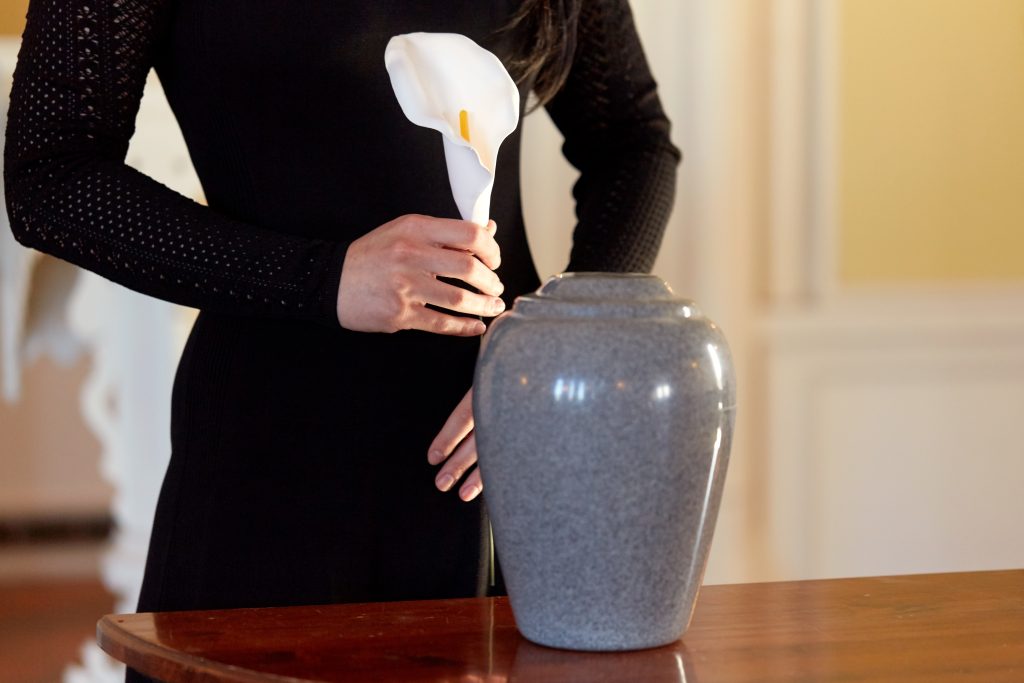
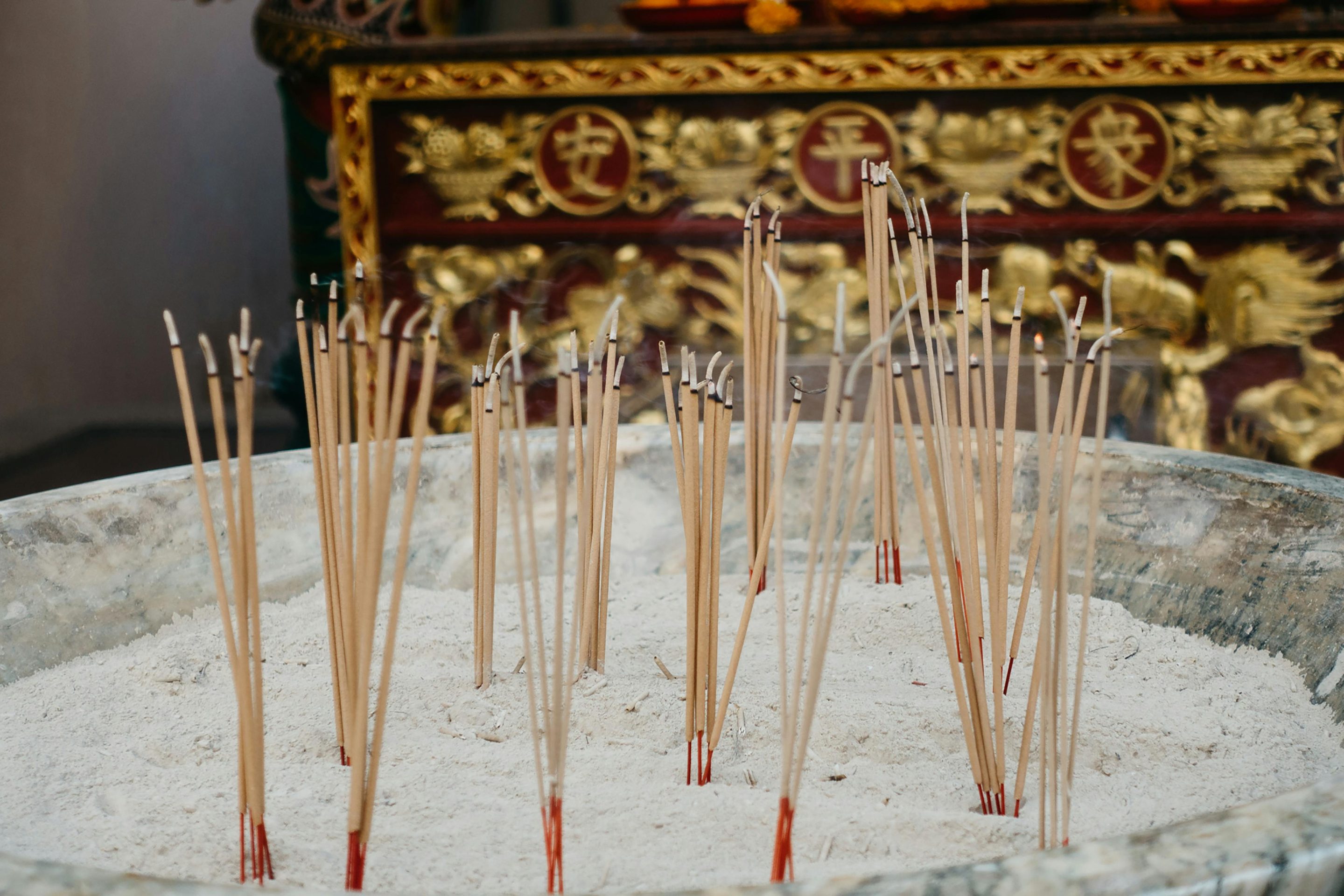
The altar is the spiritual centrepiece of the Chinese wake. It typically features a photograph of the deceased, incense, candles, fresh flowers, and food offerings. The items placed may vary by dialect, tradition and family custom, but their purpose is consistent: to provide for the soul and maintain a connection between the living and the departed.
Burning of Joss Paper and Offerings
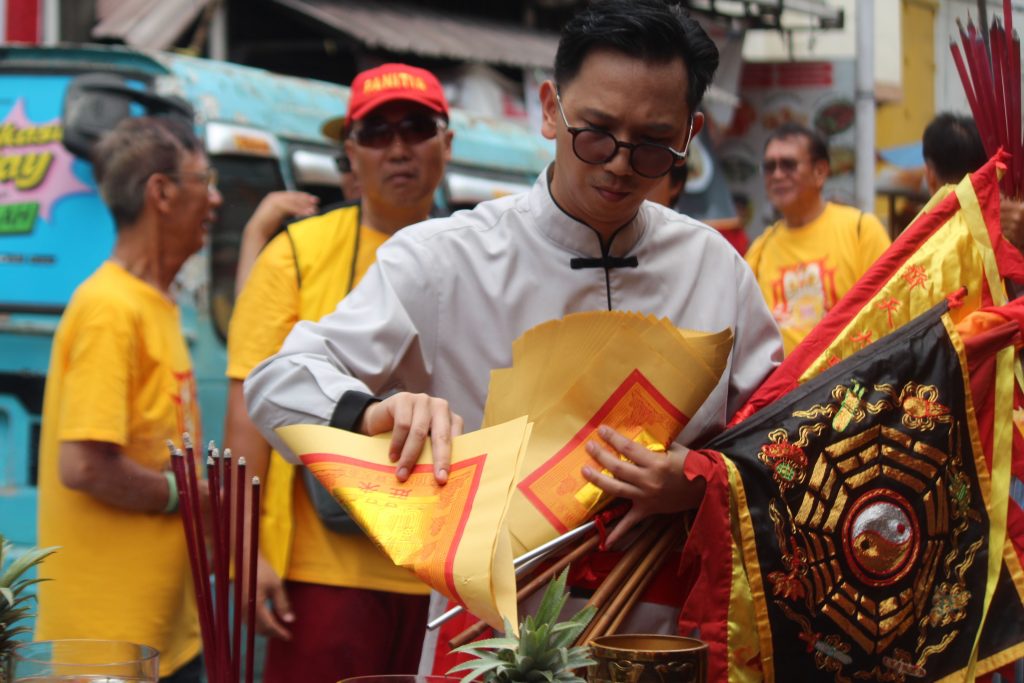
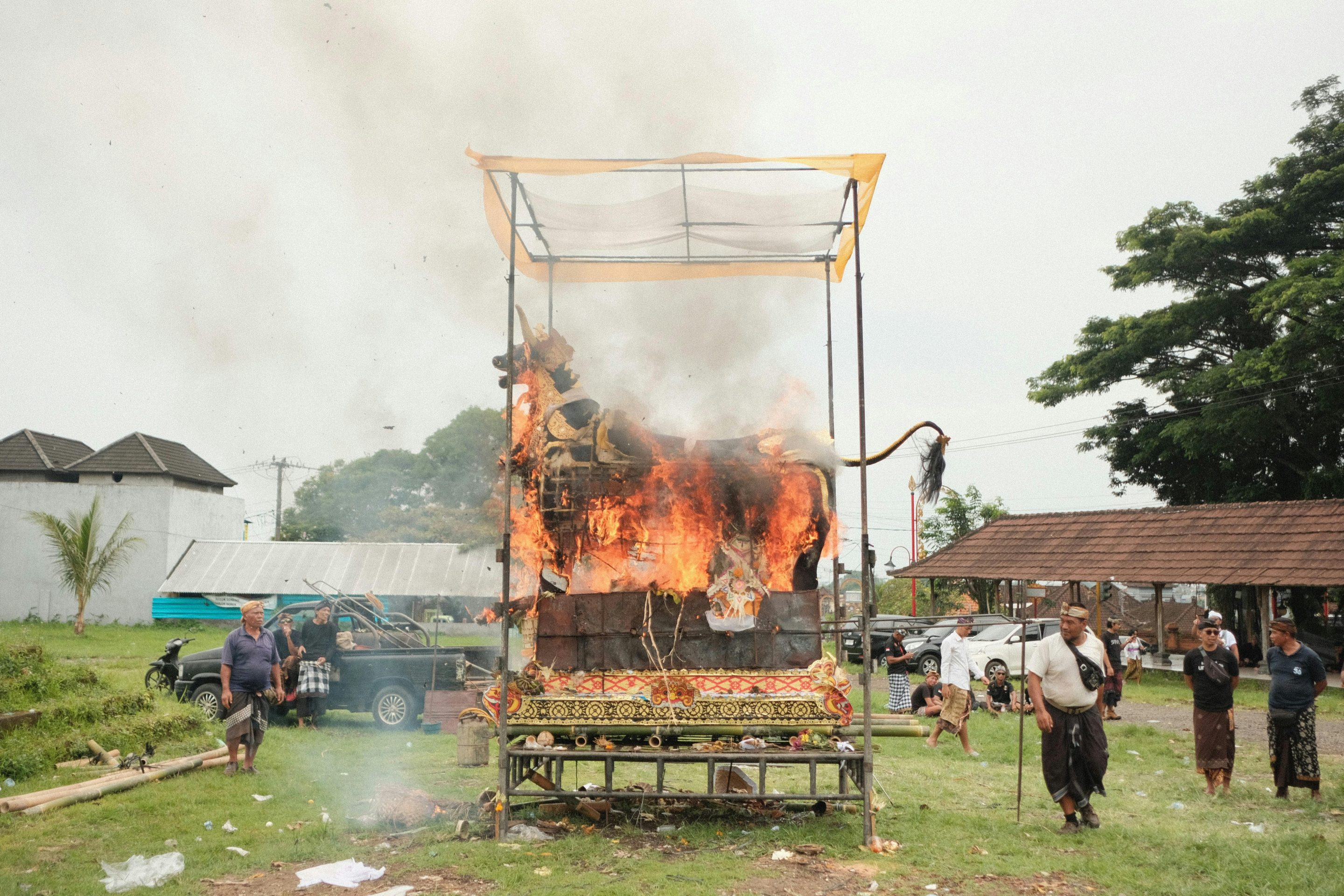
Alongside the altar, the burning of joss paper is one of the most recognisable elements of any Taoist funeral ceremony. Joss paper, commonly referred to as hell money, provides the deceased with financial resources in the afterlife. Paper replicas of everyday items are burned alongside it to ensure the departed is well provided for in the spiritual realm. These once covered the basics, houses and vehicles, but have expanded in recent decades to include modern goods such as mobile phones and laptops.
Chanting and Prayers by the Taoist Priest
On the final night of the wake, a Taoist priest leads chanting of scriptures and sutras, accompanied by traditional instruments. The ceremony seeks forgiveness on behalf of the deceased and guides the soul onward. Many families also request the Summoning of the Soul (招魂) ritual, in which the priest calls out the deceased's name to ensure the spirit does not become lost during its passage.
Priests chant in the deceased's dialect, whether Cantonese, Hokkien, or Teochew. Not all funeral service providers are equally familiar with each tradition, so this is worth clarifying early when making arrangements.
The Funeral Procession
At the close of the wake, a ceremonial funeral procession will accompany the casket to the cremation or burial site. Family members follow the hearse for a short distance as a final act of accompaniment. A live band or marching ensemble often plays during this time, traditionally to ward off unwanted spirits. For families who have chosen direct cremation services, meaning cremation without a formal wake, the procession is typically replaced by a direct committal ceremony at the cremation facility.
What Happens After the Funeral: The 49-Day Mourning Period
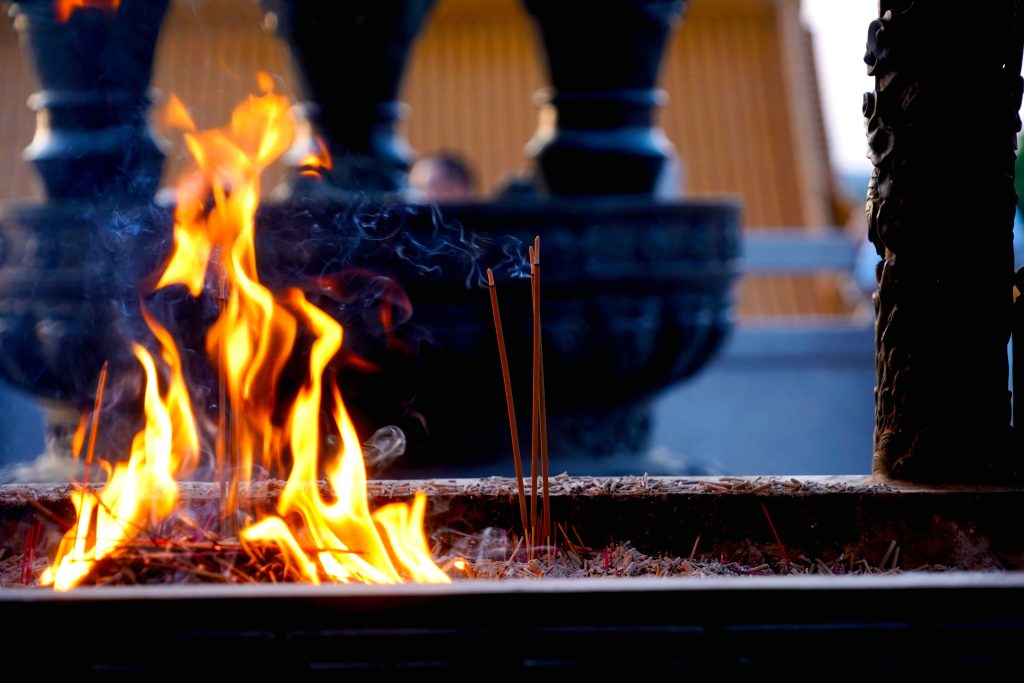
For Taoist families, the wake marks the beginning of the mourning process, not the end. The soul is believed to remain in an intermediate state after death, described through two concepts: An Ling (安灵), the resting of the spirit at a home altar, and Ji Ling (寄灵), the temporary dwelling of the spirit before its onward journey. Throughout the 49 days that follow, families offer prayers and burn incense on every seventh day to support the soul's passage.
The 49th day carries particular significance. Many families mark it with a more elaborate ceremony to formally release the soul for rebirth, and the 100th day is also observed as a final ceremonial close to the mourning period.
It is good to note that specific observances vary by dialect group and family tradition. A Taoist priest or an experienced funeral service provider, such as Singapore Funeral Enterprise, can advise on what is appropriate for your family.
Taoist Funeral Etiquette: What to Wear and How to Pay Respects
Guests attending a Taoist funeral in Singapore should wear dark, modest clothing. Black is most appropriate, whereas red and bright colours are not, as these are associated with celebration rather than mourning. Immediate family members typically wear white as a sign of grief, and plain white garments are often provided by the funeral service provider.
It is also customary to present an envelope of condolence money to the bereaved family upon arrival. Known as Bai Jin (白金), the amount varies depending on your relationship with the family. Odd amounts are generally preferred by convention, and the envelope should be presented directly to a family member.
At the wake itself, bow respectfully before the altar and the photograph of the deceased. Follow the family's lead during rituals, keep your voice low, and avoid taking photographs without permission. Chinese funeral customs in Singapore generally expect guests to observe rather than participate unless invited, but if a family member or the priest invites you to join in joss paper burning, follow their guidance closely.
Honouring Your Loved One According to Taoist Tradition
Every ritual in a Taoist funeral ceremony carries meaning. Arranging one with care and knowledge is itself an act of respect for the person being honoured.
If you have recently lost someone and are facing these arrangements for the first time, Singapore Funeral Enterprise can help you navigate each decision with patience and care. With decades of frontline experience serving Cantonese, Hokkien, and Teochew Taoist families, our in-house team of 18 trained professionals maintains full control over every aspect of our Taoist funeral packages, from altar setup through to ceremony coordination, with transparent and affordable pricing that is itemised clearly upfront.
To discuss arrangements regarding our funeral services, contact us for a free 45-minute face-to-face consultation with no obligation. We are available by phone and WhatsApp at 8068 9898, 24 hours a day, 7 days a week. You can also leave your contact details via the form on our website, and we will arrange a callback at a time that suits you.