A funeral that includes both a Buddhist chanting session and a Christian prayer service is becoming a more familiar request among Singapore’s multicultural families. As interfaith marriages, multi-generational households, and personal choices around faith become more common, families are finding that a single funeral sometimes needs to reflect more than one tradition, not just one.
This guide explains what a multi-religious funeral means, why families end up navigating more than one faith at the same time, and how the different rites are coordinated in practice. The aim is for every part of the family, whichever tradition they hold, to see their loved one sent off in a way that feels right to them.
What Is a Multi-Religious Funeral?
Singapore recognises several different types of religious funerals, including Buddhist, Taoist, Christian, and Roman Catholic ceremonies, alongside non-religious or freethinker services. A multi-religious funeral brings together rites from more than one of these traditions for a single family, most often when the deceased and their surviving relatives do not share the same faith.
It helps to be clear on what this is not. A multi-religious funeral is not one blended ceremony where different rites are mixed into a single service. Each tradition is observed in full, in its own right, with its own officiant, its own rituals, and its own space set aside within the wake.
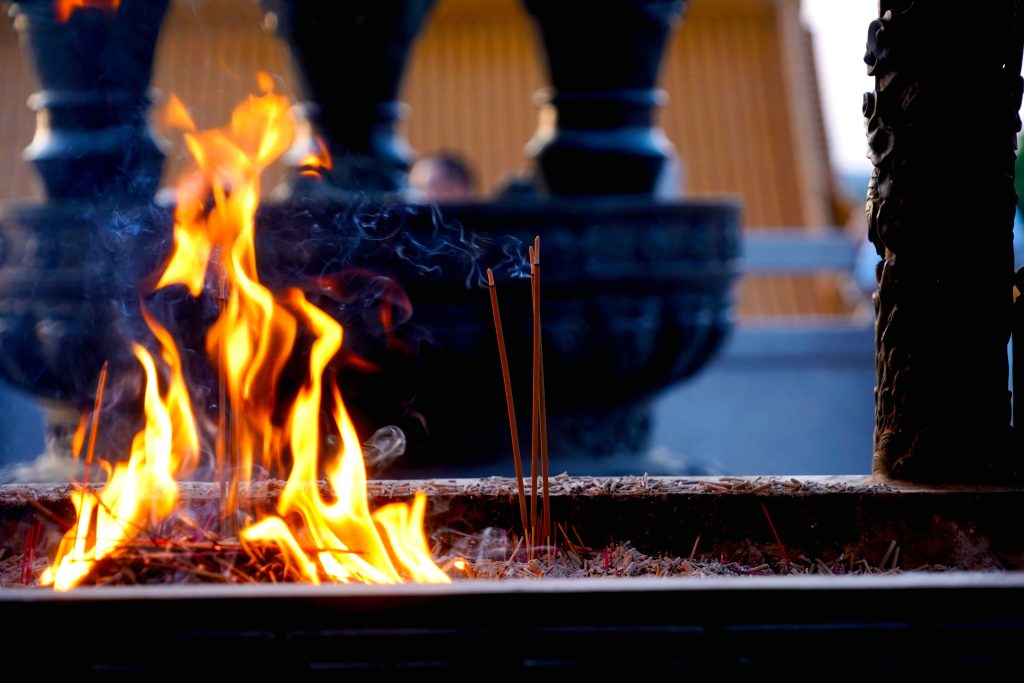
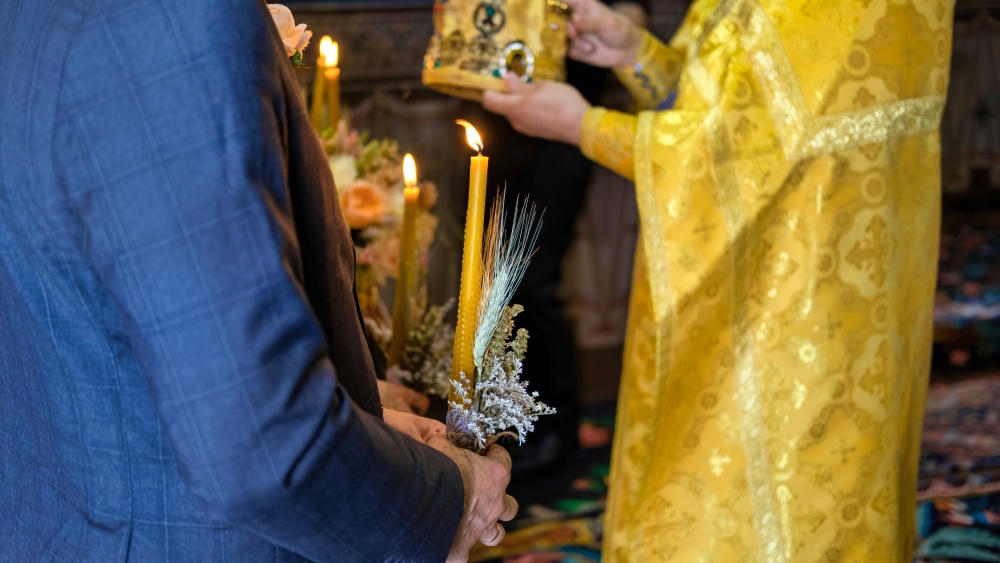
For a Buddhist and Christian family, this might mean a monk leading chanting on one evening and a pastor leading prayers on another, with each session complete on its own terms rather than combined into something new. Knowing this distinction helps families set expectations early, since a multi-religious funeral will usually take a little more planning than a single-tradition wake, without requiring anyone to compromise on how their part is conducted. Many funeral services in Singapore offer customised funeral packages to ensure that each family’s exact mix of traditions, officiants, and timings is accounted for before the wake begins.
Interfaith and Mixed-Religion Families in Singapore
Interfaith funerals usually come about for one of a few reasons. A couple may have married across faiths. A household may span generations who hold different beliefs, with parents following one tradition and adult children following another, or none at all. In some cases, a family member converted or chose a different faith earlier in life, and that choice needs to be reflected when the time comes to say goodbye.
Common combinations include:
- Buddhist parents with Christian spouses or children
- Taoist elders alongside Catholic grandchildren
- A religious parent and a non-religious adult child who does not practise any faith
None of this needs to feel like a conflict to resolve. This is simply part of daily life in a country where different faiths already share workplaces, neighbourhoods, and often the same household. A mixed religion funeral is a natural extension of Singapore’s multicultural, multi-faith makeup, and funeral providers here are used to working across more than one tradition at once. Most families simply want each relative to recognise the send-off as their own, even if the person next to them in the room is observing something different.
How Combined Funeral Rites Are Arranged
These combined funeral rites are sequenced rather than layered. A chanting session might be held on one evening of the wake, followed by a Christian prayer service at another agreed time, so each tradition has its own space rather than competing for the same moment.
Officiants from each tradition, whether a monk, a Taoist priest, a pastor, or a parish representative, are booked and scheduled well in advance to avoid any clashes in timing. Families are encouraged to agree on the order and emphasis of each rite early on, often guided by what the deceased themselves would have wanted, where that is known.
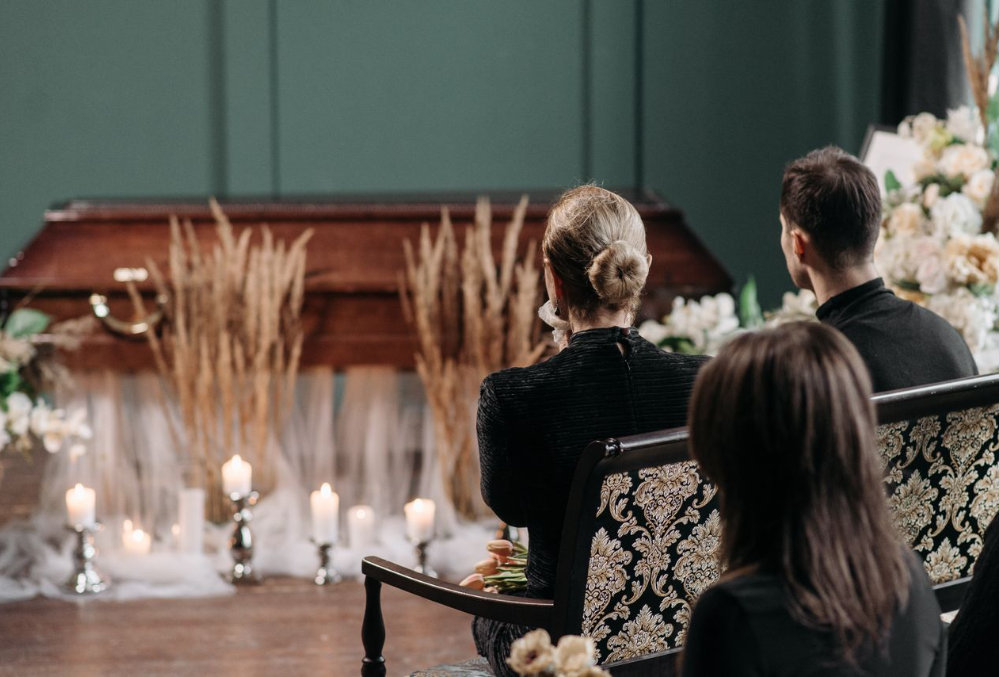
Wake length can also need negotiating. Buddhist and Taoist wakes are often held over three, five, or seven days, while Christian and Catholic wakes tend to be shorter and simpler. When both traditions are involved, families and their funeral provider agree on a schedule that respects each tradition’s usual practice without extending the wake longer than the family can manage.
This is where a funeral service provider does most of the practical work. Coordinating officiant timing, setting up a venue and altar that can accommodate more than one tradition, and keeping the day running to schedule are not small tasks on their own. Families are often trying to hold two sets of rites in mind while also grieving, and having one team manage that schedule means it does not fall entirely on them.
In practice, this can mean a void deck altar arranged for Buddhist offerings in the morning, cleared and reset for a simple Christian prayer service by the afternoon, all handled by the same team so the family only has one point of contact throughout.
Honouring Every Tradition With Care
A multi-religious funeral, handled well, lets every part of a family see their loved one honoured in a way that feels familiar to them, rather than asking anyone to set their own tradition aside. That is the outcome most families are working toward when they start planning one of these wakes.
As a provider experienced across all major faiths, Singapore Funeral Enterprise understands that more than one faith tradition needs to be honoured within a single wake. Our in-house team of 18 has coordinated Buddhist, Taoist, Christian, Catholic, and non-religious services for years, including straight case arrangements where no wake is held, and we are comfortable managing more than one tradition within the same funeral. Each arrangement is built around the family in front of us, with customised funeral packages rather than a one-size-fits-all service, and pricing that stays transparent and affordable throughout.
To talk through arrangements for a multi-religious funeral, or any other service, contact us for a free 45-minute face-to-face consultation with no obligation. We are available by phone and WhatsApp at 8968 9898, 24 hours a day, seven days a week, or you can leave your details in our contact form, and we will arrange a callback at a time that works for you.