
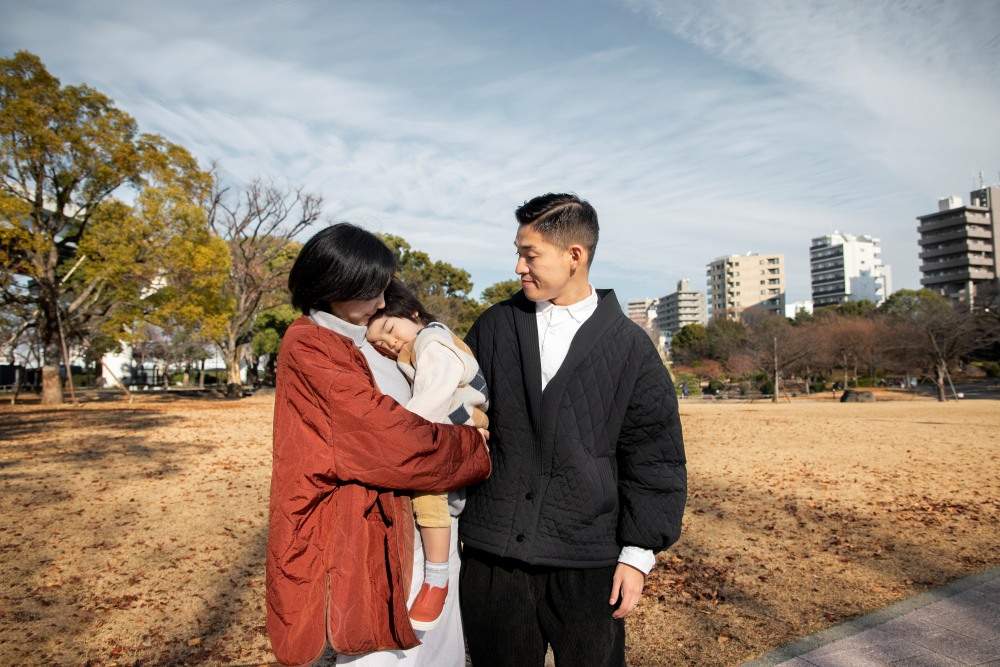
Explaining death to children can be one of the most difficult conversations you will navigate as a parent or caregiver. There is no perfect script, but understanding how kids process death at different ages helps you meet them where they are.
At What Age Do Kids Understand Death?
Children’s comprehension of death unfolds gradually as their minds develop. Each child is unique, but recognisable patterns emerge at different ages. Knowing these stages helps you explain death to a child in ways they can genuinely understand, rather than offering explanations that create more confusion.
Infants and Toddlers
Very young children have a limited understanding of permanence. When someone dies, they react to the disruption in their routine and the absence of a familiar presence rather than grasping the concept itself. You might notice increased clinginess, changes in sleep patterns, or regression in behaviours they had recently mastered.
What they need most at these points is consistency and physical comfort. Hold them close and maintain familiar routines as much as possible. Their grief shows through behaviour rather than words.
Pre-Schoolers
A 3-year-old asking about death often sees it as temporary, like sleep or a trip away. At this age, magical thinking dominates their worldview. They might believe their thoughts or wishes caused someone to die, or that the person will return if they wish hard enough.
Thus, when talking to a 3-year-old kid about death, use simple, concrete language. Saying “Grandma’s body stopped working, and she died” is clearer than “We lost Grandma” or “She passed away.” These euphemisms can make them wonder if the person is simply lost and might be found, or if going to sleep means never waking up.
Also, expect to talk through the same explanations multiple times. Children at this age are still making sense of things that don’t fit their understanding of how the world works, and they need to process them through repetition.
School Age
Between six and nine, children begin understanding that death is permanent and irreversible. They develop awareness that death happens to everyone, though they often resist applying this universality to people they love or themselves.
Curiosity about the biological aspects emerges. A 5-year-old might ask questions like “What happens to the body?” or “Why did their heart stop?”, seeking to understand. Honest, age-appropriate explanations about how bodies work can help satisfy their natural curiosity about cause and effect.
Many children this age may also develop fears about their parents dying or their own mortality, so provide gentle reassurance, while avoiding promises you cannot keep. Saying something like “Most people live a very long time” is more honest than telling them “I’ll never die.”
Pre-Adolescent
By ten to twelve, children fully grasp that death is permanent, universal, and inevitable. They understand biological processes and may begin to explore spiritual and philosophical questions that extend beyond the physical.
Through the mourning period, you might notice them masking emotions to appear mature or strong. Give them permission and encourage them to express their feelings in their own way, and provide space to ask difficult questions without judgment. Let them grieve while also continuing normal activities with friends and interests.
Adolescents
While teenagers possess an adult-like understanding of death, their emotional processing is still continuing to develop. This can lead them to grapple with deep existential questions about meaning and mortality. They may struggle with intense, complex feelings that they don’t yet have the experience to fully navigate.
Some teenagers may therefore withdraw into themselves or seek support from peers rather than family. At these points, it is best to respect their growing independence while remaining available and patient as they navigate between childhood comfort and adult comprehension.

So, What is the Best Way to Tell a Child About Death?
There is no perfect way to deliver difficult news, but certain approaches help children process loss in healthy ways that serve them throughout life.
Use Direct, Honest Language
Gently but directly, use the words “dead” and “died” within short explanations. Using euphemisms and vague language may create fear in children because the unknown can be more frightening than the truth. When you say someone “passed away” or “went to sleep,” young minds take these phrases literally and may develop anxiety around everyday experiences.
Start with the physical reality, then add the spiritual or cultural layers your family believes in. Once you’ve established the concrete fact of death, you can then explain Buddhist concepts of rebirth, Christian beliefs about heaven, or other spiritual understandings that provide comfort and meaning within your family’s tradition.
Listen More Than You Speak
Ask your child clarifying questions to get to the root of what they are asking. Questions like: “Tell me what made you think of that today?” or “What do you know about death already?” help you understand what they truly want to know, which is often different from what we assume.
Being honest on a level of their developmental understanding also means listening for the question beneath the question. When a child asks, “Where is Grandma?” they might be asking about location, or they might be seeking reassurance that Grandma is okay, or processing their own feelings of abandonment.
Recognise that children will ask for information as they need it, and that they need a balance of communication and play. Giving information in small doses is helpful. Answer what they ask, then wait. They will return with more questions as they are ready. Let children be children even while grieving.
Address Fears and Misconceptions
Children often harbour unspoken fears and misconceptions that need gentle attention. Questions like “Will you die too?” “Did I cause this?” and “Will I forget them?” can surface repeatedly as they process what has happened.
Address these directly, patiently, and without making promises you cannot keep. A sentence like “Most parents live until their children are grown up” acknowledges reality while offering comfort, while something like” Nothing you thought or said or did caused this” relieves the burden of magical thinking.
Create opportunities for remembrance through memory boxes, drawings, or photo albums. These tangible activities help children process abstract concepts and check in regularly as their understanding deepens with time, providing ongoing conversations rather than one big talk.
Embrace Not Knowing
Remember, you don’t have to have all the answers. It is OK to say, “I don’t know, but I will try my best to find out.”
However, some questions have no certain answers. While religious and cultural beliefs provide frameworks, the mystery behind questions like “Where do people go when they die?” “Does it hurt?” “Will I see them again?” remains. Allowing yourself to sit with uncertainty together teaches children that not all questions have tidy answers, and that is acceptable.
Before offering what you do know, acknowledge their feelings first. A response like “That’s such a big question. I can see you’re really wondering about this” validates their search for understanding and creates space for honest dialogue.
Model Healthy Grief
Similarly, modelling grief is helpful. Sharing your own process in age-appropriate ways—such as saying “I feel sad today because I miss Grandpa, but I also feel grateful we had him in our lives”—helps normalise the range of feelings associated with this difficult period, allowing them to realise that grief contains multitudes.
Let them see you remember, reflect, and gradually find your way forward. Children learn how to grieve by watching trusted adults navigate loss with honesty and resilience.
Supporting Your Family Through Loss
Though it never feels easy, having these conversations is an act of love. When you talk honestly about death, you give them tools for understanding loss throughout their lives. Children are remarkably resilient and can continue bonds with people who have died through memory and stories when given honest support matched to their developmental level.
If you need support during this time, we are here to help. With decades of experience and a team of trained professionals, we provide pre-planning funeral services as well as general funeral services for Buddhist, Taoist, Christian, Catholic, and non-religious families across Singapore. Contact us for a free 45-minute face-to-face consultation with no obligation.