Teochew is one of the three largest Chinese dialect groups in Singapore, alongside Hokkien and Cantonese, and Teochew funeral customs are predominantly Taoist, with Buddhist elements observed in some families. There is common ground with the other Chinese traditions, but the Teochew community carries its own distinct rites, offerings, and dialect of chanting that shape the ceremony from the wake through to the days that follow.
This piece walks through the beliefs that give the rituals their meaning, the key ceremonies observed during the wake, what happens on the day of the procession, and the mourning observances marked in the weeks and months afterwards.
Teochew Beliefs About Death and Filial Duty
At the heart of a Teochew funeral is a Taoist-rooted belief that the soul does not depart immediately after death. It lingers in an intermediate state, and the living carry an active responsibility to guide it through the transition. Every prayer, offering, and rite performed during the wake is understood as part of that guidance.
Filial piety also runs through it all. Children and grandchildren lead the rites, treated as a final and profound act of care for a parent, with the eldest son traditionally holding the central role. Once you understand this framing, the details of the wake can start to feel more purposeful.
The Teochew Wake: Setup, Offerings, and Key Rites
Families new to arranging a wake often ask what the customs and rituals involved in a Teochew funeral actually look like on the ground. Teochew wakes in Singapore are typically held over three, five, or seven days. The odd number is deliberate, reflecting the belief that the soul is still mid-journey rather than at rest.
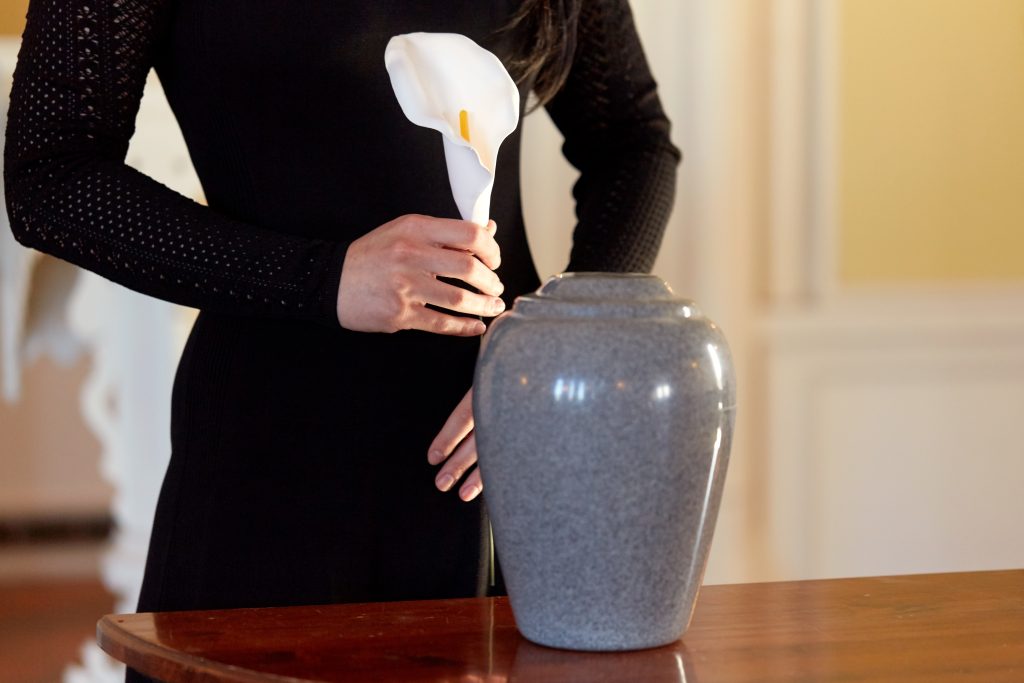
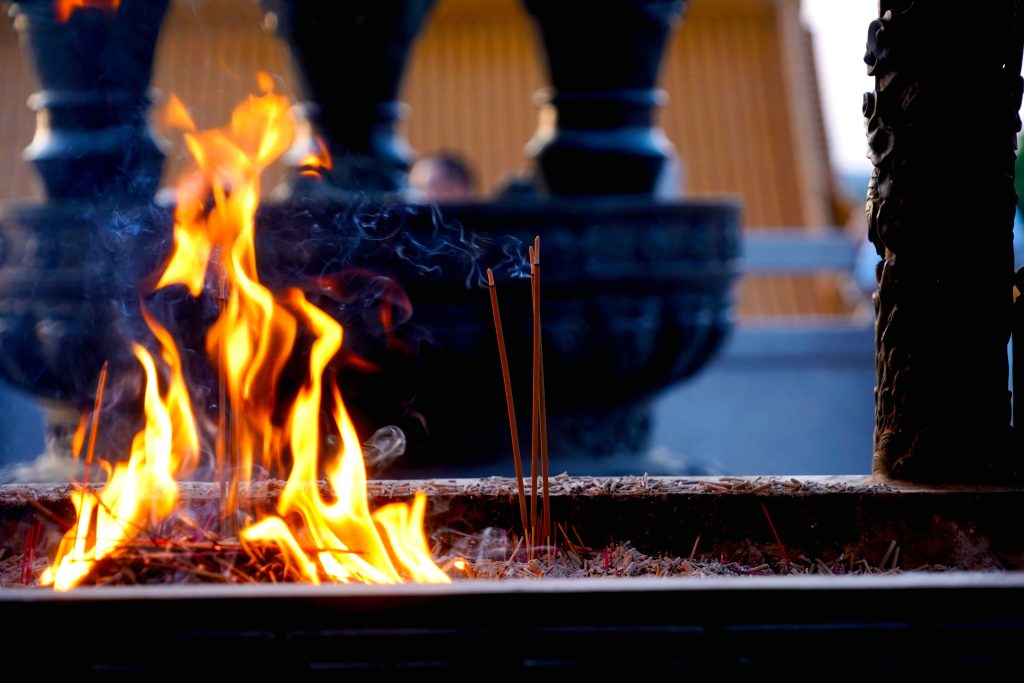
The altar is the focal point. A framed photograph of the deceased sits at its centre, surrounded by incense, candles, white flowers, food offerings, and ceremonial items specific to Teochew practice. Sugarcane and particular fruits are often placed at the altar, reflecting customs that other dialect groups do not observe in the same way.
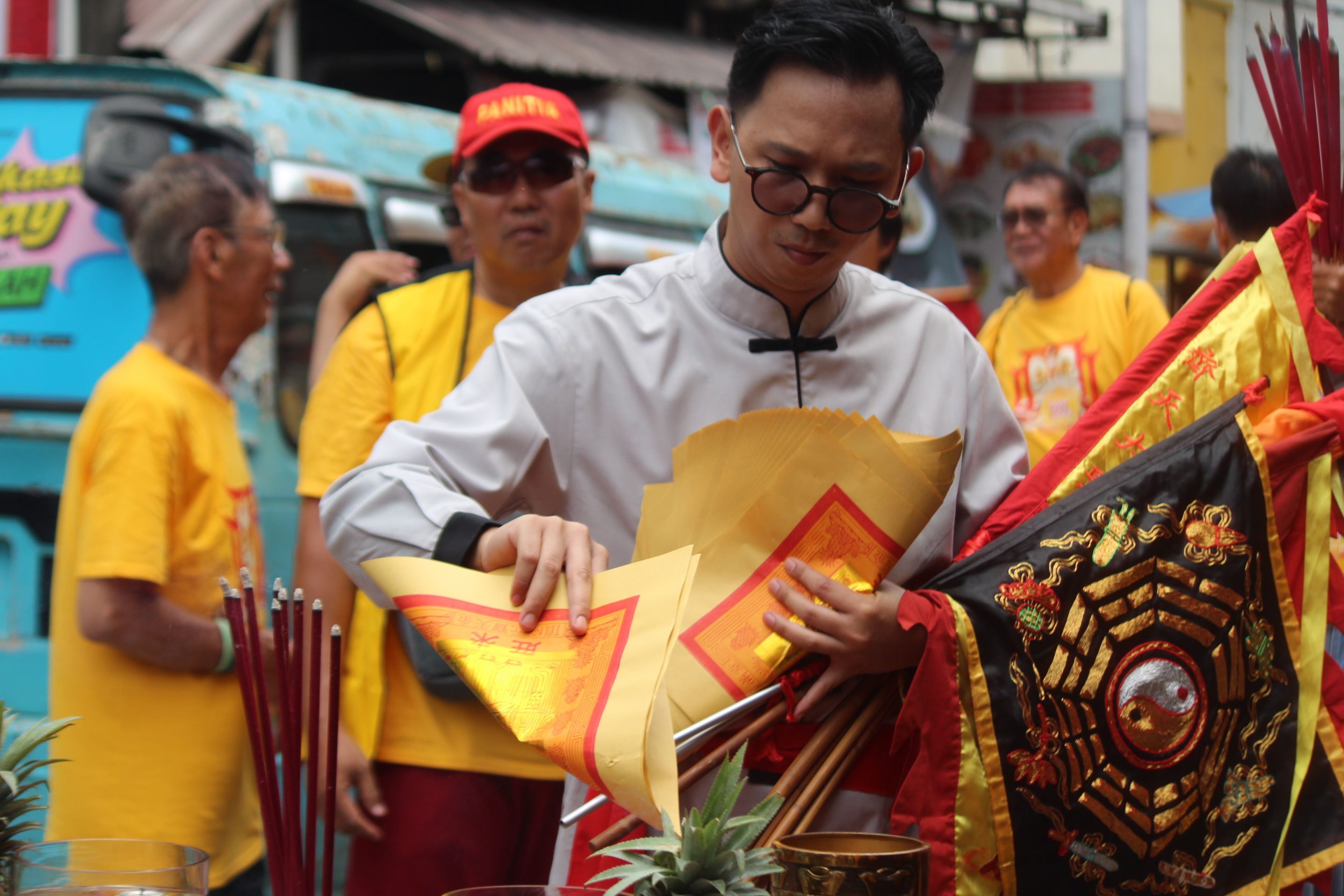
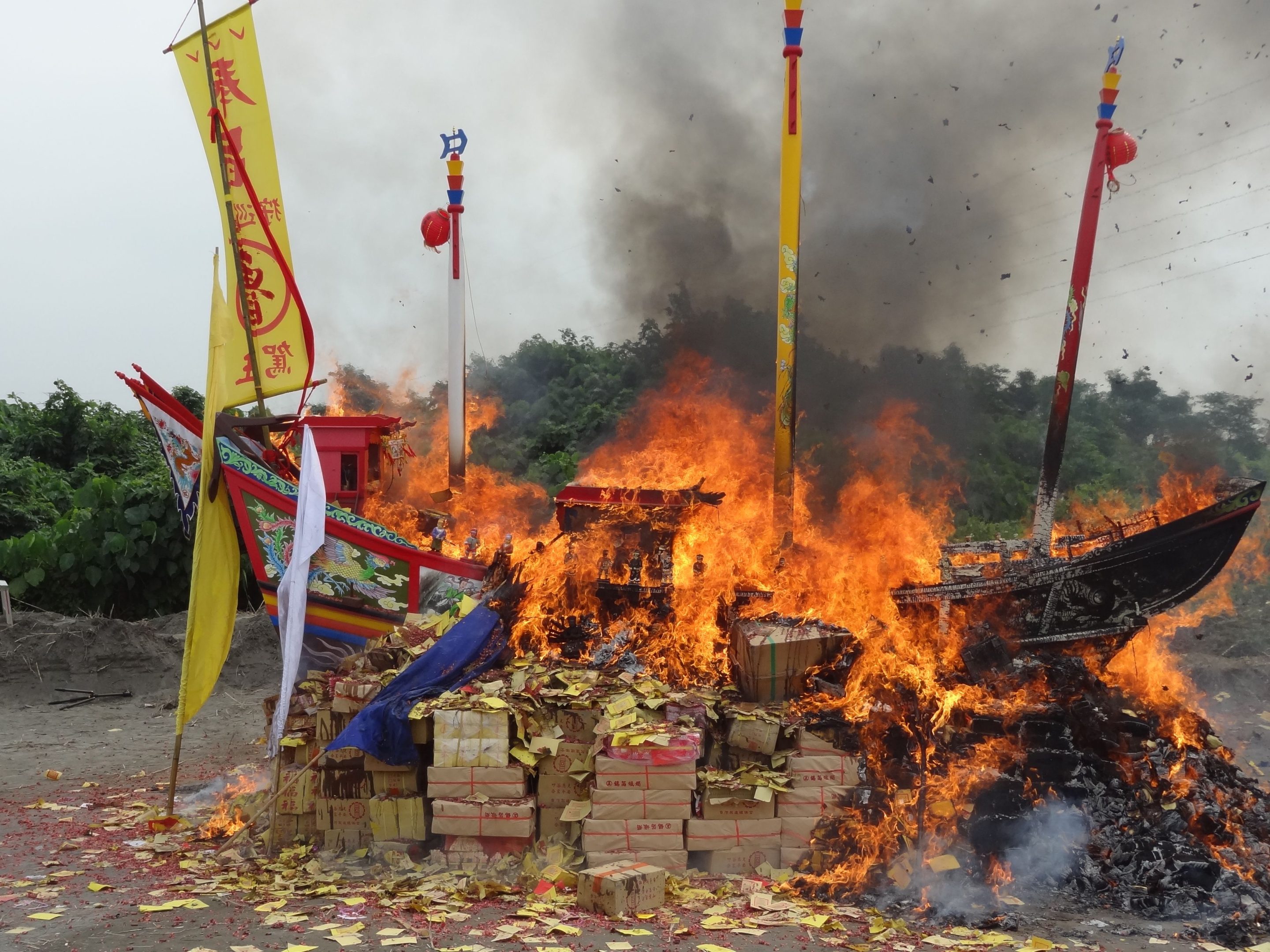
Taoist priests also lead the chanting in the Teochew dialect across the wake period. Not all funeral service providers are equally familiar with each dialect group, so this is worth clarifying early. The eldest son and other close male descendants play a visible role during the key rites, kneeling or bowing at specific moments as a mark of filial devotion, and keeping vigil beside the casket. Joss paper and paper replicas of household items are burnt as offerings throughout, a practice strongly observed across Teochew families.
Coordinating priests, dialect-appropriate chanting, and the correct altar setup is a significant undertaking. This is why most families work with a Teochew funeral parlour familiar with the tradition from the outset. Additionally, families may want to engage a 24-hour funeral service to have someone on the line the moment arrangements first need to be made, along with guidance on the immediate steps after a passing, to help settle those first hours.
The Funeral Procession and Cremation or Burial
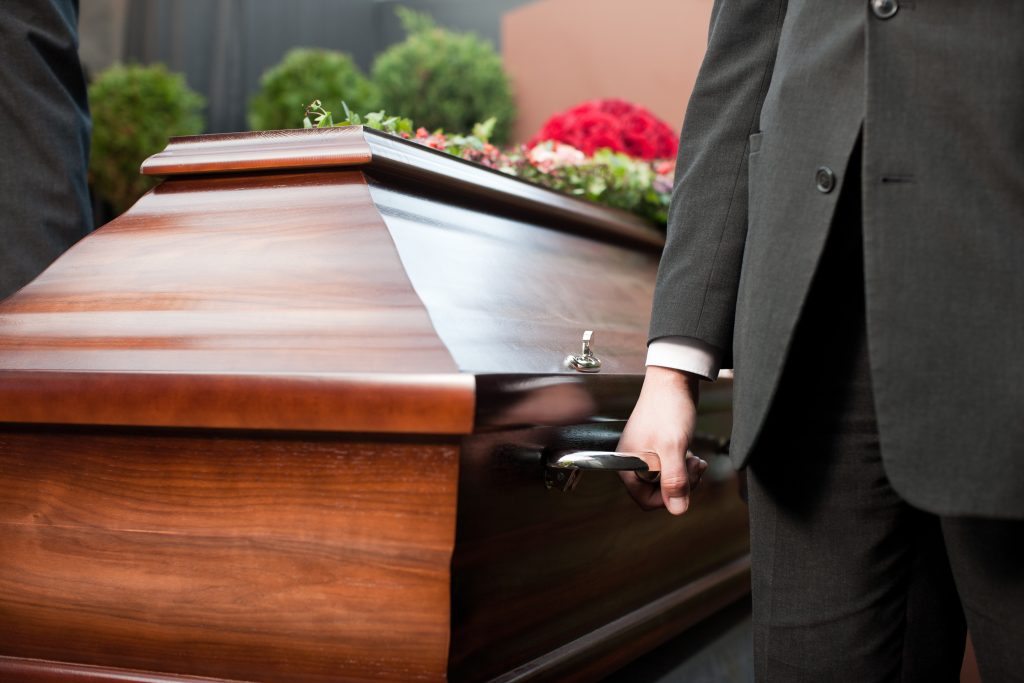
After the wake concludes, the procession moves from the venue to the crematorium. The eldest son leads, carrying the deceased's photograph and an incense urn, with the family and mourners following behind.
Cremation is the predominant choice for Teochew families, reflecting land constraints in Singapore and the Taoist view of releasing the physical body. However, burial remains available for families who prefer it. Straight Case arrangements, meaning cremation without a formal wake, are also chosen by some Teochew families who prefer a simpler, more private send-off, with brief Taoist prayers accommodated at the crematorium where needed.
After cremation, families typically place the ashes in a columbarium. Some families also choose inland ash scattering or sea burial, depending on personal wishes.
Post-Funeral Observances: The 49th and 100th Day
The mourning period does not end with the cremation. Teochew families observe a 49-day mourning period, marking the belief that the soul remains in an intermediate state before its onward journey. Prayers are held every seventh day within that window, with the 49th day carrying particular weight and often marked by a more elaborate ceremony to formally release the soul.
Many Teochew families also observe the 100th day as a further ceremonial close to the mourning period. Remembrance continues at the home altar and during Qingming and the Hungry Ghost Festival each year, in line with broader Taoist funeral rituals practised across the Chinese community here.
Arranging a Teochew Funeral With Familiarity and Care
Arranged with the right knowledge of dialect, ritual sequence, and family duty, a Teochew funeral is a coherent act of love across generations. It carries a family through the weight of loss while giving the person who has passed the send-off their tradition asks for.
Singapore Funeral Enterprise is experienced in Teochew Taoist services, alongside Cantonese and Hokkien traditions, with an in-house team of 18 trained professionals who understand the specific Teochew funeral rites and dialect requirements of each community we serve. Pre-planning funeral arrangements are also available for families who would rather organise these matters in advance, well before the disorientation that follows a loss. Pricing is transparent, and every family begins with a free 45-minute face-to-face consultation with no obligation.
To discuss arrangements, reach out to our team, who are available for you around the clock. You can also leave your contact details on our website, and we will arrange a callback at a time that suits you.