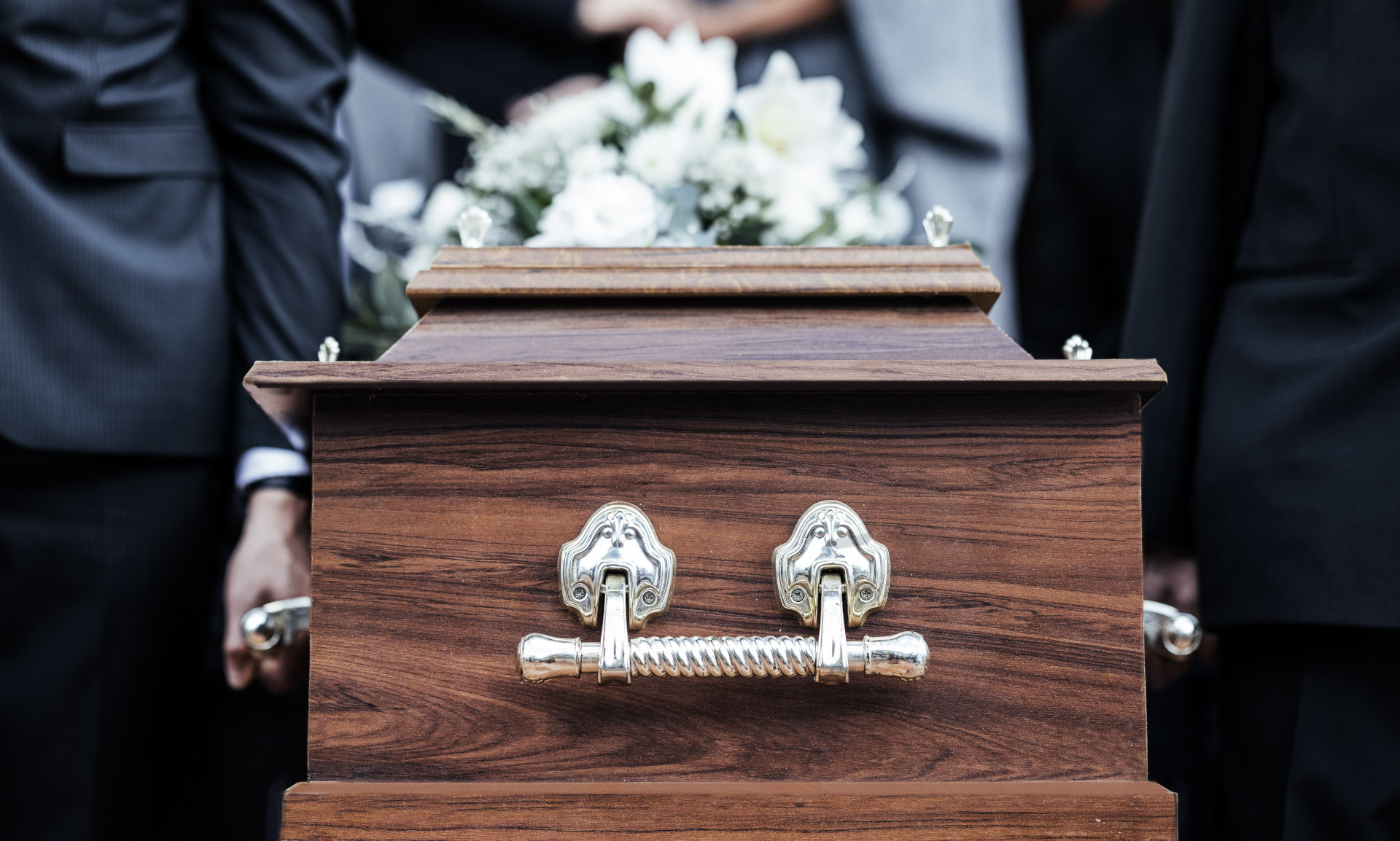
After the passing of a loved one, families often find themselves making decisions they have never had to think about before. When funeral arrangements begin, the terms "coffin" and "casket" tend to come up quickly, often used as though they mean the same thing. They are, however, not the same, and the distinction matters for families trying to make the right choice. The two differ in shape, cost, cultural association, and how well they suit different funeral traditions. In Singapore, the choice often depends on whether the family is arranging Buddhist funeral services, Taoist funeral ceremonies, or Christian funeral services in Singapore, as different traditions follow different viewing and wake customs. Understanding which is which makes it a little easier to arrive at a decision that truly honours the person being laid to rest.
What Is a Coffin?
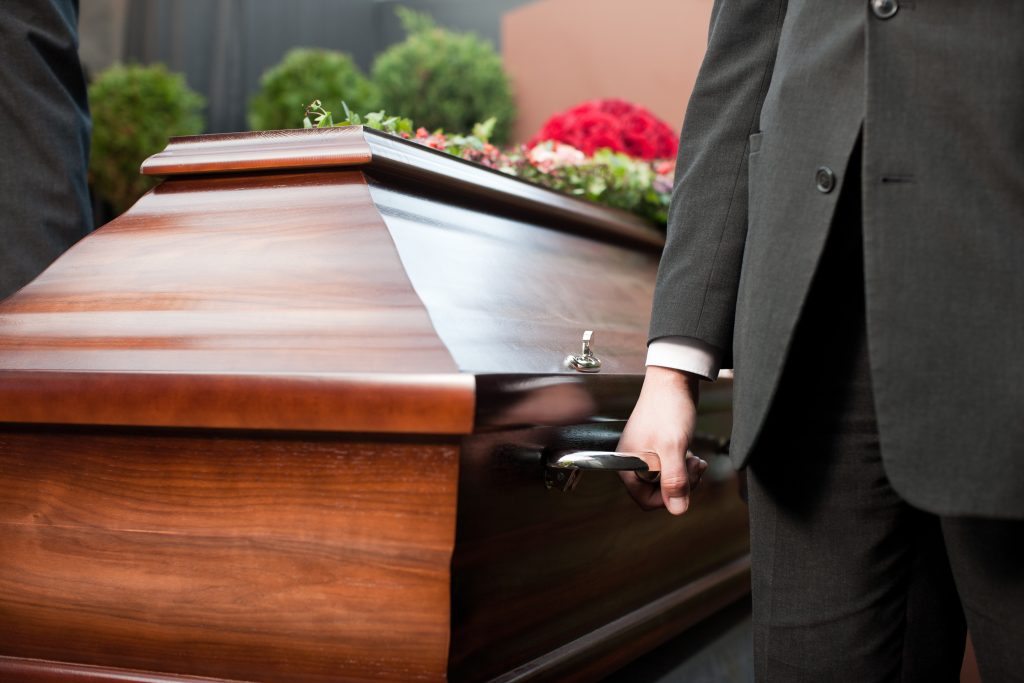
A six-sided, tapered box, wider at the shoulders and narrower at the head and feet, a funeral coffin broadly follows the outline of a human body. The lids are typically detachable rather than hinged, and most coffins are made from wood or wood composite materials such as medium-density fibreboard or solid timber like teak and pine. They tend to have simpler finishes and interior linings than caskets, using less material overall, which contributes to a lower price point in most cases.
What Is a Casket?
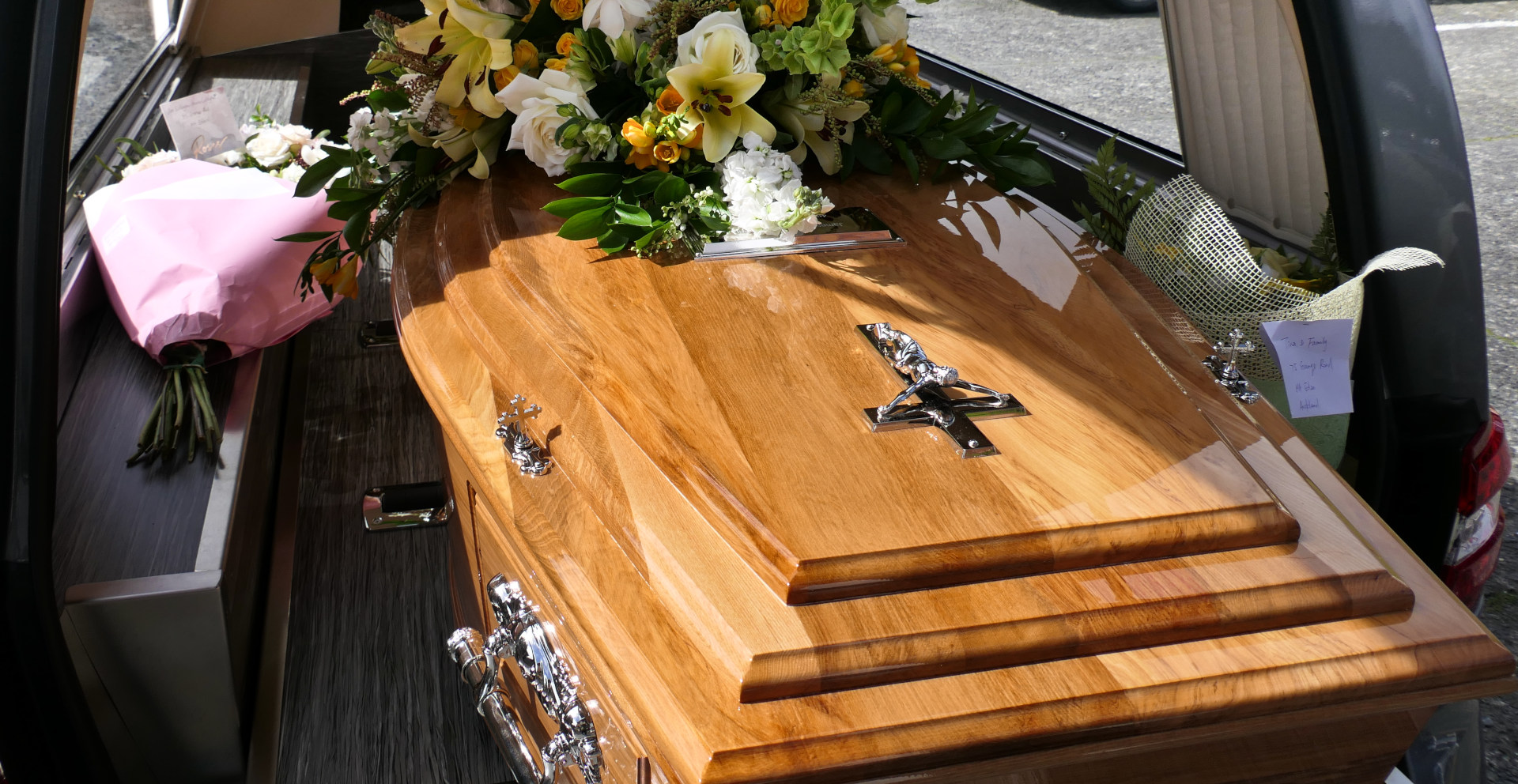
Unlike the six-sided coffin, a funeral casket is four-sided and rectangular, with equal length and width on all sides. Its appearance is more uniform and symmetrical, and it typically features a hinged, two-piece lid that can be opened at the upper half for viewing while the lower half remains closed. Caskets are usually lined with fabric and finished to a higher standard of interior presentation, meaning that caskets are generally the more expensive of the two.
Key Differences Between a Coffin and a Casket
The most visible difference is shape. A coffin's tapered silhouette traces the contours of the body, while a casket's clean rectangular lines do not. This affects more than appearance. Because a casket is bigger due to its rectangular size, it offers slightly more interior space, which some families choose to use for personal belongings, paper offerings, or other items of significance to the deceased. A coffin fits the body more closely and leaves less room for these additions.
Cost follows from construction. Caskets generally sit at a higher price point: the hinged lid mechanism, fabric interior lining, and higher-grade finishes all contribute. A basic wooden coffin typically costs less than a comparable casket in the same material. That said, both are available across a wide range of price points, and the material chosen, the finish, and the supplier tend to affect the final figure more than shape alone.
For families considering an open-casket viewing, the casket's split-hinged lid is the more practical choice, allowing the upper half to be opened while the lower remains closed. A coffin can accommodate a partial viewing, but its detachable lid is less suited to this arrangement. It is also worth knowing that embalming is required before any open-casket viewing, regardless of which option is selected.
Which Should You Choose? Choosing Between a Coffin or Casket for Funeral Services
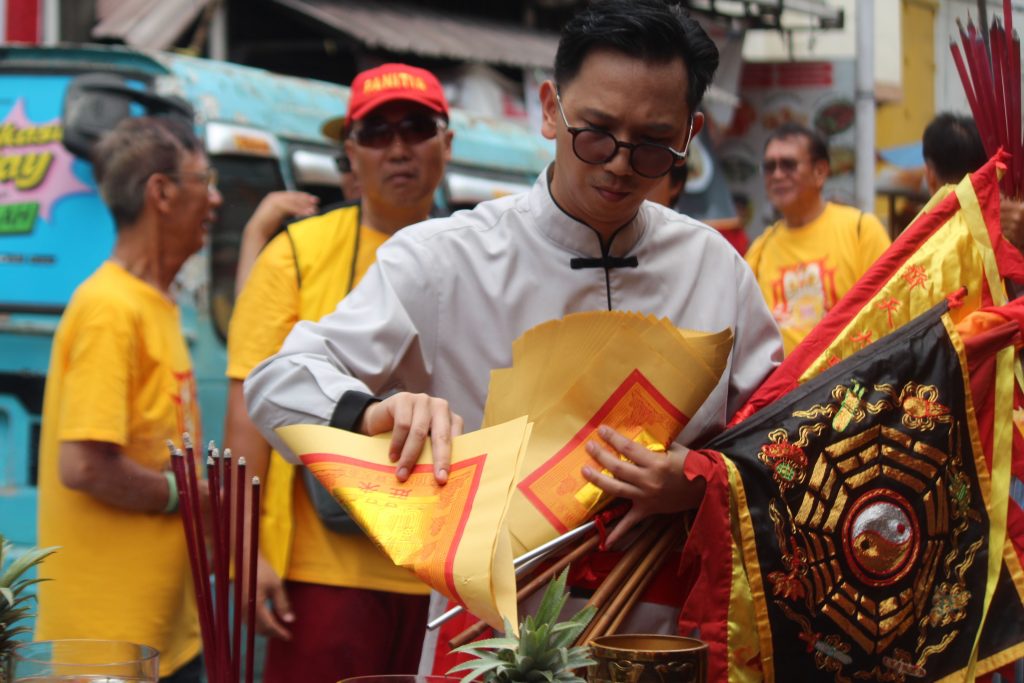
For most families, faith tradition provides the clearest guide. Buddhist and Taoist families traditionally use a coffin. Families arranging Buddhist funeral packages or Taoist funeral services in Singapore often choose a coffin, as it aligns with Chinese funeral customs and the ritual practices observed throughout the wake. This is especially common for Christian funeral services and Catholic funeral services in Singapore, where families more commonly choose a casket, which suits the open-casket viewing traditions central to these services and sits naturally within the aesthetic of a church-style funeral.
For non-religious families, either is appropriate, and the choice comes down to personal preference, the structure of the farewell, and the budget. Families who want a more streamlined arrangement, such as a direct cremation service (also known as a straight case), can discuss which option fits best with their funeral service provider.
Beyond faith tradition, a few practical considerations can also shape the decision. Where the deceased passed away in an accident, and the body is not in a condition for viewing, a sealed coffin or closed casket is the more appropriate choice, and the decision between the two then rests on tradition and budget alone. Where the family intends to place items alongside the deceased, a casket's additional interior space makes this easier.
All in all, either option is fitting. A coffin is not simpler because it costs less, and a casket is not more respectful because it costs more. Both serve the same purpose: to hold and honour the person who has passed; making the right choice is the one that fits the tradition being observed and feels right for the family making it.
Making the Right Choice for Your Loved One
Choosing between a coffin and a casket is one of many decisions that arise when arranging a funeral, and it does not have to be made under pressure or alone. Most families come to these conversations without any prior knowledge of what the options involve. That is entirely normal, and it is exactly the kind of decision a funeral service provider will help you through: walking you through each option at your own pace, explaining what is included, and presenting pricing clearly so there are no unexpected costs at an already difficult time.
At Singapore Funeral Enterprise, our in-house team of 18 trained professionals has decades of frontline experience serving religious and non-religious families across Singapore. Our Buddhist, Taoist, Catholic and Christian funeral services are affordable, with transparent, itemised pricing across every arrangement.
If you would like to discuss arrangements, we offer a free 45-minute face-to-face consultation with no obligation. We are available by phone and WhatsApp at 8068 9898, 24 hours a day, 7 days a week. You can also leave your contact details via the form on our website, and we will arrange a callback at a time that suits you.