Funeral wakes in Singapore are typically held over three, five, or seven days, with the practical arrangements set in motion within the first 24 to 48 hours after a passing. The sequence is fairly consistent across faith traditions, even where the rites themselves differ. Registering the death, engaging a funeral service provider, choosing a venue, arranging the rites, and coordinating the cremation or burial each have their own requirements. This guide walks through them in the order they need to happen.
What Is a Funeral Wake?
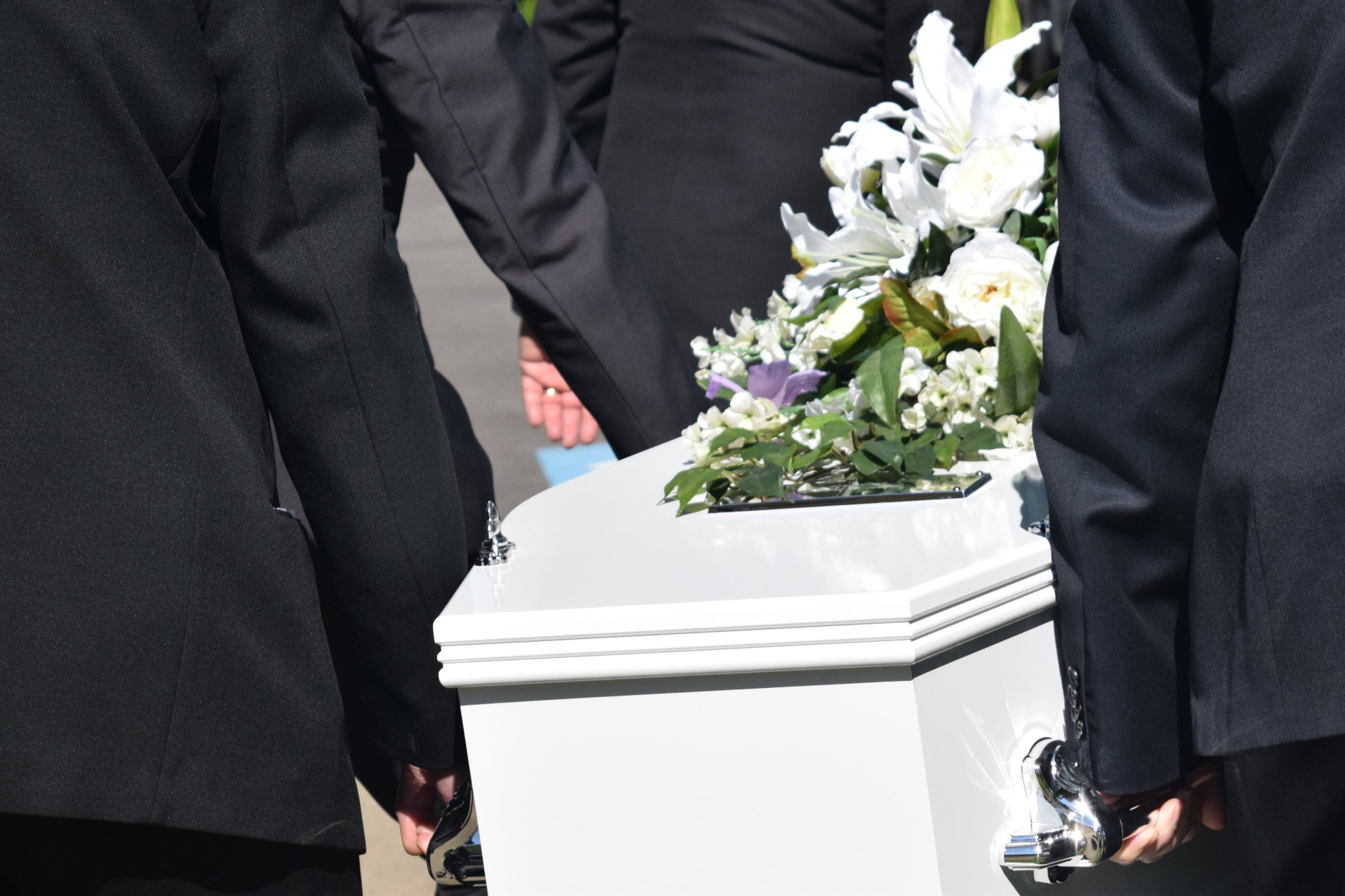
A funeral wake is a gathering of family and friends held in the presence of the deceased's body, usually before the burial or cremation. It is a period of communal mourning, prayer, and remembrance, giving those closest to the person who has passed the time and space to say goodbye properly. In Singapore, its meaning carries both practical and spiritual weight, with the format largely shaped by the deceased's faith tradition.
The wake and the funeral are often spoken of as if they were the same thing, but the difference between the two matters when you are planning. The wake is the vigil period, held over several days, where guests come to pay their respects. The funeral is the formal ceremony of committal, whether religious or secular, that follows the wake and concludes with the cremation or burial.
As for what a wake is in its original sense, the word comes from the Old English "wacian," meaning to keep watch or remain awake. Family members historically kept vigil through the night to watch over the body, and although the practice has evolved, the name has stayed with us. Other words for the same period include vigil, viewing, or visitation. In Chinese-speaking communities, it is often referred to simply as the wake period or the mourning period. Within Christian and Catholic contexts, it may be called a prayer service or vigil service.
Step 1: Register the Death and Obtain the Death Certificate
Before any wake arrangements can proceed, the death must be officially registered and a digital death certificate obtained. This document is required for nearly every step that follows.
If the death occurred in a hospital or care facility, the hospital will typically initiate the registration process and issue the necessary documentation. If the death occurred at home or in another non-hospital setting, a doctor must be engaged to certify the death, and in some circumstances, the police may also be involved. Once the death has been certified, the next of kin can register it via the MyLegacy@LifeSG portal.
The digital death certificate is required to apply for the Permit to Bury or Cremate, and to make bookings at government crematoria or Choa Chu Kang Cemetery.
Step 2: Engage a Funeral Service Provider
It is possible to arrange a wake independently, but engaging a professional provider significantly reduces the logistical burden on the family during an emotionally demanding time. Comprehensive Singapore funeral services typically cover embalming where required, casket selection, floral arrangements, transport of the deceased, altar and venue setup, coordination of religious rites, and all permit applications.
Families considering their options should be aware of the CCCS A.S.K. checklist, developed by the Competition and Consumer Commission of Singapore in collaboration with NEA. It encourages families to
- Ascertain the deceased's wishes
- Seek answers on what they are paying for
- Know useful sources of information
It is a useful consumer protection tool worth reading early in the process. Where embalming will be required, the family should also confirm that the provider holds the NEA licence that funeral parlours offering this service are required to maintain.
Singapore Funeral Enterprise is an experienced provider with an in-house team of 18 trained professionals who manage every aspect of the wake and funeral process internally. Costs are transparent from the first conversation, and families can begin with a free 45-minute face-to-face consultation with no obligation. This is often the easiest first step for families who want to understand their options before committing to anything, and it is also where pre-planning funeral services are typically discussed for those planning ahead.
Step 3: Choose the Wake Venue
Wakes in Singapore typically last between three and seven days. If the wake needs to extend beyond seven days after death, prior written permission must be obtained from the National Environment Agency, either via the NEA ePortal or in writing to NEA's Memorial Facilities and Planning Division. The funeral wake setup depends on the chosen venue, and there are three main options to consider.
HDB Void Deck
The most common choice for families in Singapore is particularly for Buddhist and Taoist traditions. A permit must be obtained from the relevant Town Council before tentage, tables, and chairs can be set up. If adjacent surface car park lots are needed, a separate application must be made to HDB, either by visiting the managing HDB Branch, calling the HDB Branch Service Line at 1800-225-5432, or submitting a request via the HDB eFeedback portal under Subject: Car Park, Category: Use of Car Parks for Non-Parking Purpose. For parking lots managed by the Urban Redevelopment Authority, a separate application must be submitted to URA before use.
Funeral Parlour
A fully equipped, air-conditioned, private alternative that requires no setup permits from external
agencies. Better suited for families who prefer a more contained environment, or where a void deck is not available or appropriate. A reputable provider will be able to advise on availability and coordinate the booking.
Landed Property or Private Home
Some families prefer the intimacy of holding the wake at the family home. If tentage or structures extend onto public walkways or State land, a Temporary Occupation Licence must be obtained from the Singapore Land Authority. Applicants are required to comply with Land Transport Authority and Traffic Police requirements, although a separate application to LTA and Traffic Police is not required if the TOL is obtained through SLA.
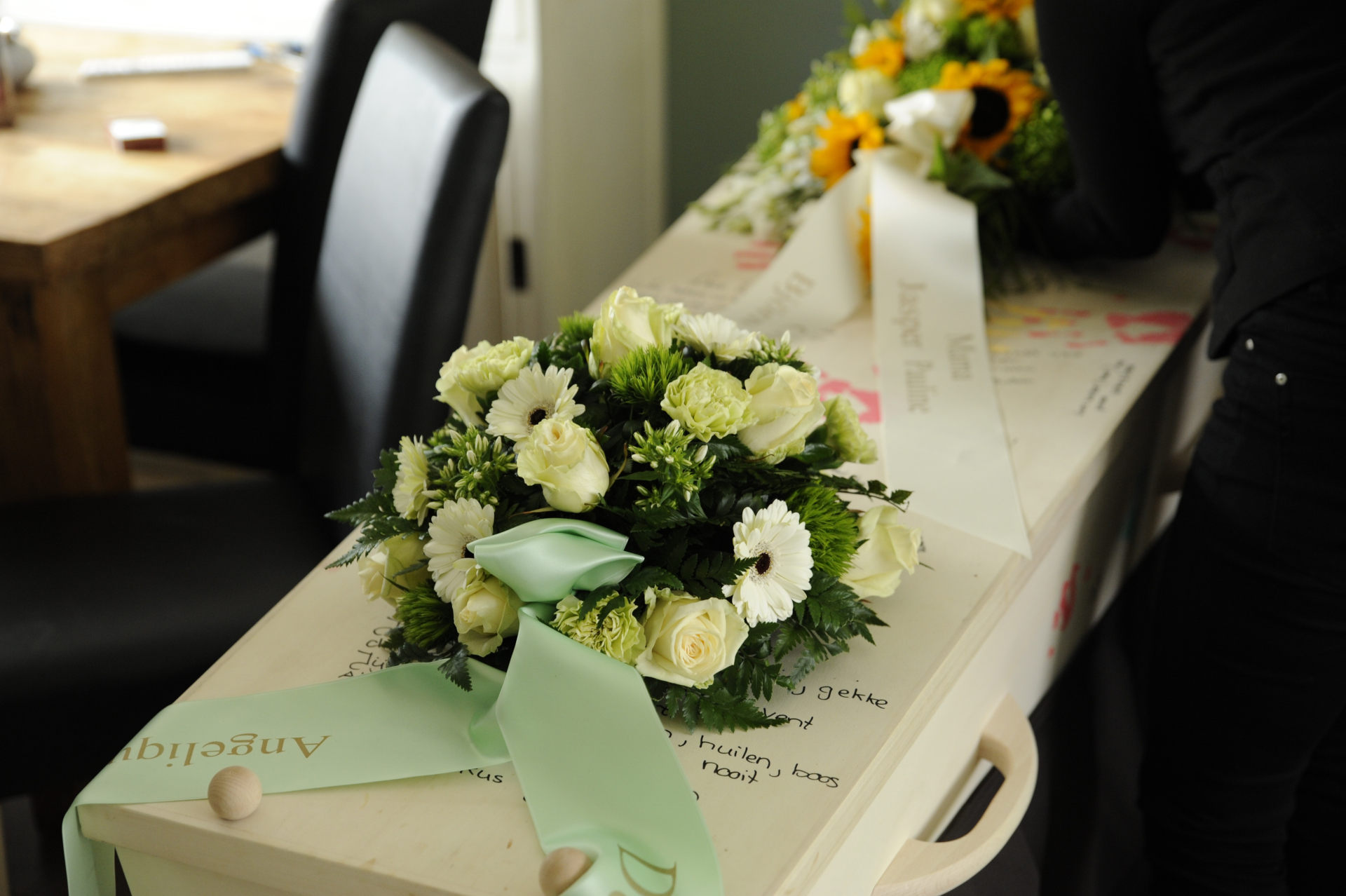
Step 4: Arrange the Rites, Altar, and Wake Logistics
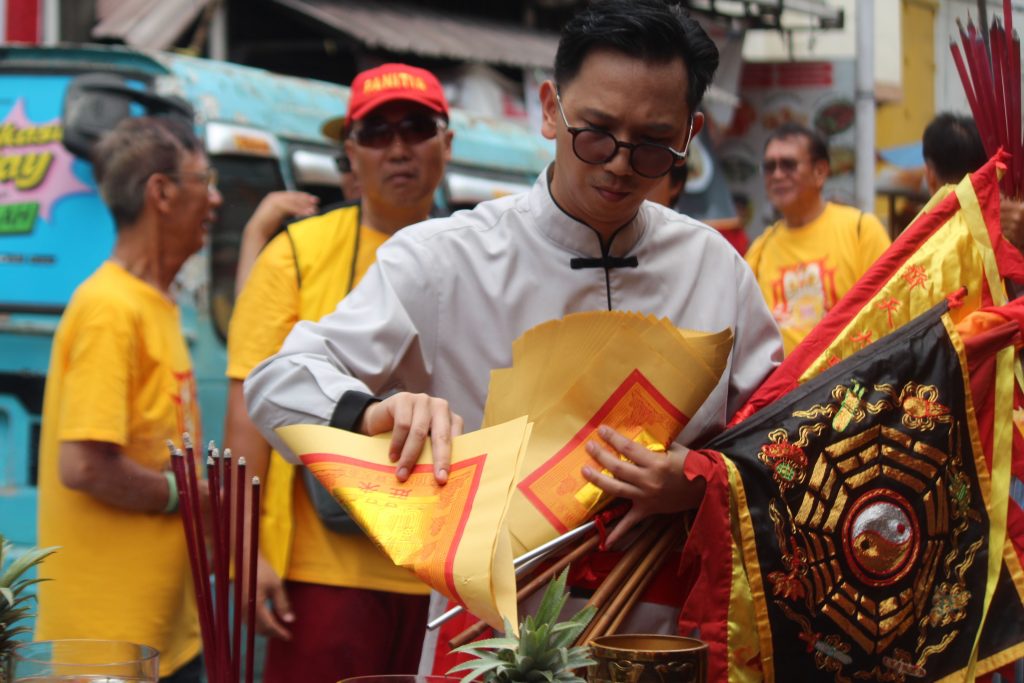
This is the step where the wake takes its shape. The altar setup, prayers, and ceremony format should reflect the deceased's faith tradition. For Buddhist and Taoist families, this includes the altar arrangement, the engagement of monks or priests, joss offerings, and chanting in the appropriate dialect. For Christian and Catholic families, it typically involves prayers, pastoral support, and hymns. Our team is experienced across all faith traditions and can coordinate the appropriate rites accordingly.
If the wake involves an open casket or will run for several days, embalming is typically required to preserve the body. NEA guidance permits a wake to be held without embalming only if the body is placed in a hermetically sealed coffin without a viewing window, for a period not exceeding seven days after death.
Families should also allocate space and budget for catering and light refreshments for visiting guests and those keeping vigil. Many providers can assist with or recommend catering arrangements. It is customary for guests to present condolence money, known as Bai Jin, in plain white envelopes to help offset funeral expenses. Odd-numbered amounts are traditionally preferred, and the family should designate someone to receive and acknowledge these contributions.
Step 5: Coordinate Cremation or Burial
Cremation or burial arrangements run in parallel with the wake, as the timing needs to align. The funeral service provider will handle the application for the Permit to Bury or Cremate, as well as the booking of the slot itself.
For cremation, slots at the government-operated Mandai Crematorium and Mandai North Crematorium, along with private crematoria, can be booked via the NEA ePortal, by phone, or in person. The NRIC of the applicant and next-of-kin, the digital death certificate, and the Permit to Cremate are required. Families who prefer a simpler arrangement without a formal wake may consider a Straight Case, where the body proceeds to cremation shortly after the passing. Our funeral service packages include Straight Case arrangements across all major faith traditions for families who want a dignified send-off without an extended wake period.
All burials in Singapore are currently conducted at Choa Chu Kang Cemetery, the only cemetery open for burials, with bookings made through the cemetery's service counters. The same key documents are required.
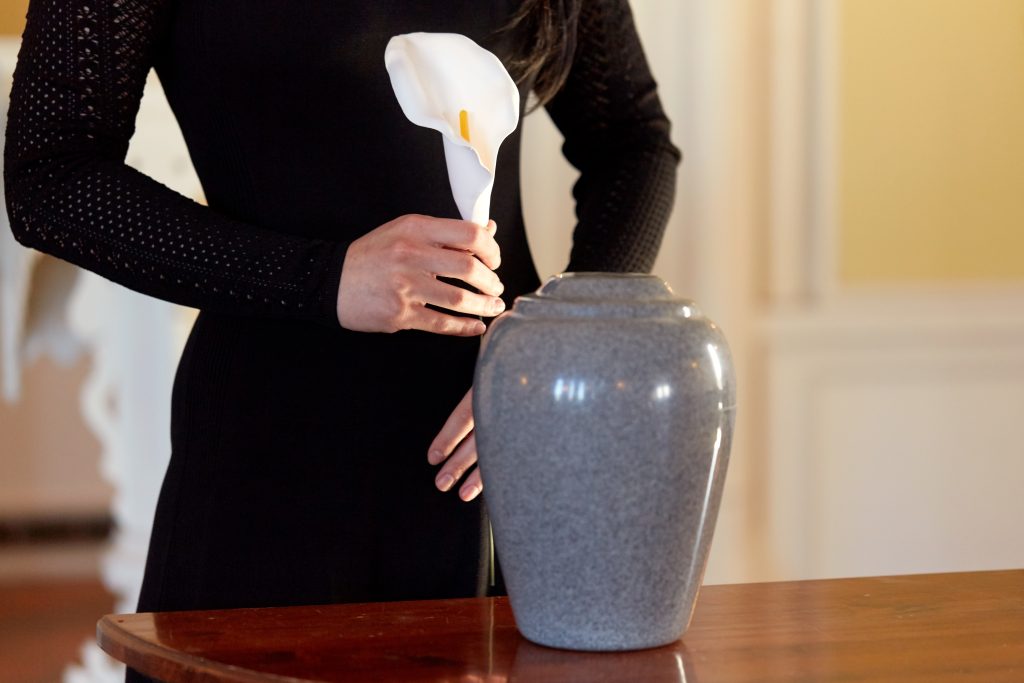
Families should also be advised that valuables placed in the coffin cannot be recovered after cremation. After cremation, ashes can be stored in a columbarium niche, scattered at one of NEA's inland ash scattering gardens, or scattered at sea at the MPA-designated site approximately 3.2 km east of Raffles Lighthouse.
A Farewell Arranged With Care
Planning a wake well is not about working through a checklist. It is about ensuring that the person who has passed receives a farewell that reflects who they were and what they meant to those who knew them. The logistics matter because they make space for everything else.
Singapore Funeral Enterprise has decades of frontline experience and an in-house team of 18 trained professionals who manage every element of the wake and funeral process. Costs are transparent from the start, and nothing is outsourced.
If you would like to talk through arrangements, we offer a free 45-minute face-to-face consultation with no obligation. We are available by phone and WhatsApp at 8968 9898, 24 hours a day, every day of the year. You are also welcome to leave your contact details on our website, and we will arrange a callback at a time that works for you.