Many families naturally do not weigh the difference between burial versus cremation until the decision has to be made. At that point, grief is already present, and the practical questions arrive alongside it. That combination is a lot to carry, but knowing where to start can make it feel more manageable. The two options differ significantly in process, cost, and long-term considerations, and the regulations governing both in Singapore have implications worth understanding before any commitment is made.
What Is a Burial?
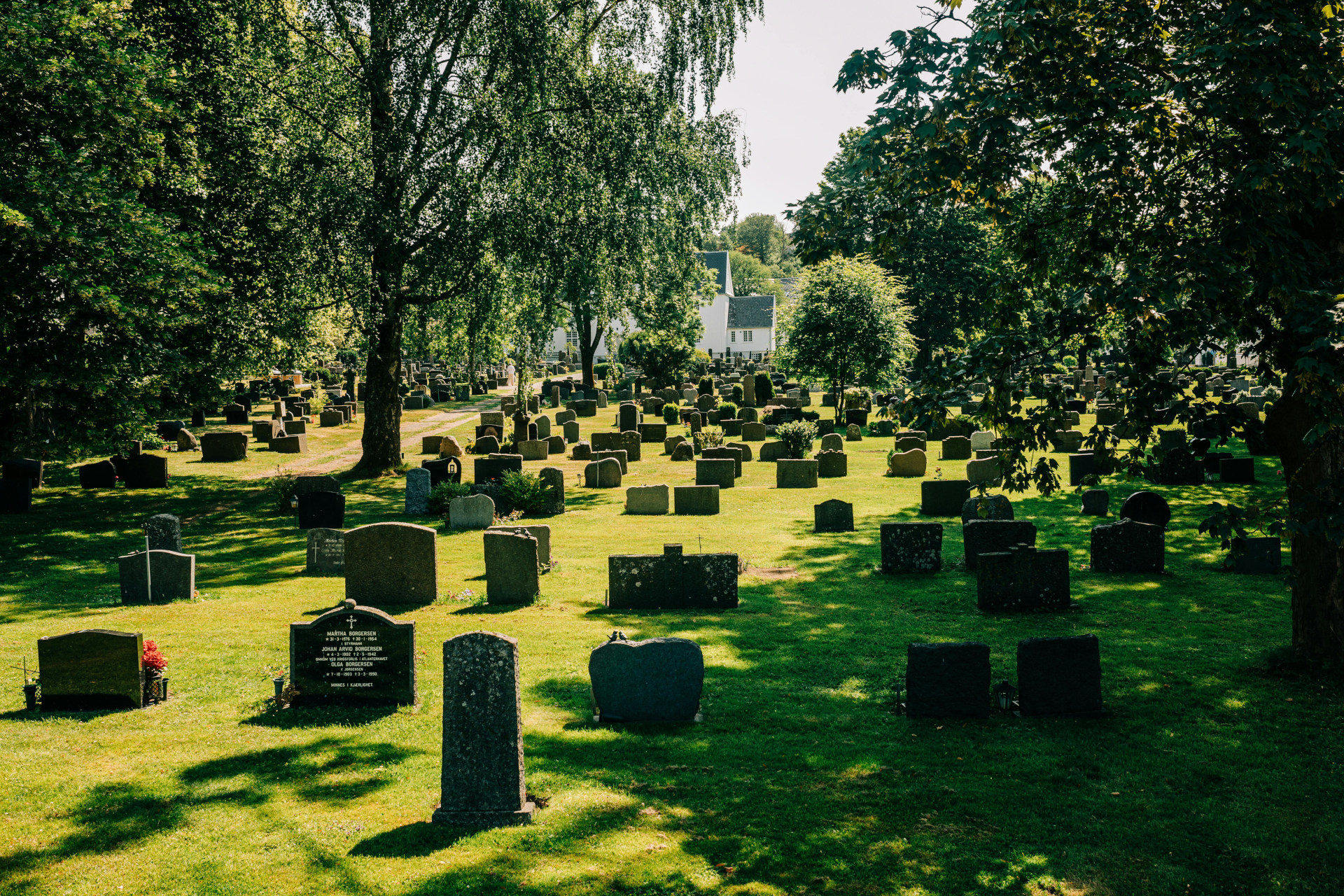
A burial involves preparing the body, typically through embalming, placing it in a coffin or casket, and interring it in the ground or a mausoleum. It is one of two distinct end-of-life arrangements available to families in Singapore, and the two are not interchangeable. Burial preserves the physical body intact, whereas cremation uses intense heat to reduce the body to ashes. The procedures, costs, venues, and long-term implications of each are different in ways that matter when you are making this decision.
Pros of a Burial
For many families, the most meaningful aspect of burial is the permanence it offers. There is a fixed, physical location where relatives and future generations can return to pay their respects, to mark anniversaries, or simply to feel close to the person who has gone. That sense of place carries real weight for some families, even years down the line.
A burial also aligns with the religious mandates of certain faiths. For Muslim families, it is the prescribed practice, and the rites surrounding it are well established. Some Christian denominations similarly hold burial as the traditional expectation, shaped by beliefs about the body and resurrection. For families in these traditions, the choice is not always a decision so much as a continuation of what their faith requires.
Cons of Burial
However, the costs associated with burial are generally higher than those of cremation. The coffin or casket, burial plot, headstone, and related arrangements each carry their own expense, and together they add up considerably. For families working within a tight budget, this is a practical reality worth accounting for early.
One detail that many families are not aware of until arrangements are already underway is Singapore's 15-year burial plot tenure under NEA regulations. After that period, the remains will be exhumed. This does not mean burial is the wrong choice, but it does change what a "permanent resting place" means in practice here, and it is better to understand that before a decision is made. There are also ongoing cemetery maintenance considerations during the tenure period that families may wish to factor in.
Burial in Singapore: What the Regulations Say
Choa Chu Kang Cemetery is the only cemetery in Singapore currently open for burials, and it is managed by the National Environment Agency (NEA). Burial plots are available in several designated areas, including non-denominational plots and sections for Muslim, Jewish, Bahai, and Ahmadiyya Jama'at communities.
Since 1 November 1998, all burial plots in Singapore have been limited to a 15-year period. After that tenure, the remains will be exhumed. For families whose faith permits cremation, the exhumed remains will be cremated and placed in a columbarium niche. Where religion mandates continued burial, the remains will be re-interred in a smaller individual plot.
Once the family is ready to proceed, the following documents will be needed to apply for a burial:
- Digital death certificate, or a Manual Confirmation of Death or a Public Hospital Printout
- Permit to Bury
- Identification papers of the next-of-kin and the applicant
Bookings can be made by phone or in person at the Choa Chu Kang Cemetery service counters, and all payments are settled at the counter before the burial. One further point for families with international connections: foreigners may only be buried in Singapore if they have immediate next-of-kin who are Singapore Citizens or Permanent Residents, and prior written permission from NEA is required before any arrangements can be confirmed.
What Is a Cremation?
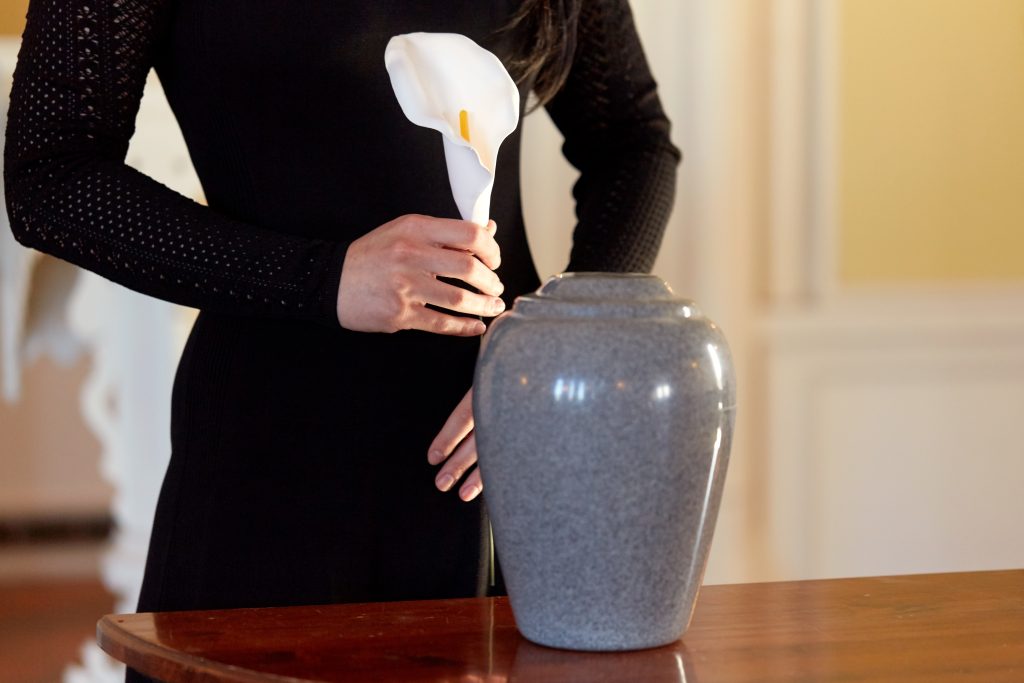
Cremation uses intense heat to reduce the body to ashes, which are then placed in an urn. It is the most common funeral option in Singapore, shaped by the land constraints of the city and the traditions of Buddhism and Taoism, which are widely practised in the Chinese community.
For families who prefer a simpler, more private arrangement without a formal wake, there is also the option of a Straight Case cremation. This is a streamlined arrangement in which the deceased is transported to the crematorium without a preceding wake period. Brief prayers can be accommodated where needed, and they are available across all faith traditions.
Pros of Cremation
Cremation usually involves fewer ancillary costs than burial, making it the more economical choice for many families. It also offers considerably more flexibility in how the deceased is memorialised. Ashes may be stored in a columbarium niche, interred at a designated garden, or scattered at sea, depending on the family's preferences and faith tradition. For families who are not permanently based in Singapore, cremation also makes it easier to transport remains if circumstances change, and it allows a memorial service to be held at a later date when more family members are able to gather.
From a practical standpoint, cremation is also better suited to Singapore's land constraints. The smaller spatial footprint means it remains a viable long-term option in a way that burial, with its fixed plot and tenure limitations, cannot always guarantee.
Cons of Cremation
The most significant practical consideration is that cremation cannot be reversed once it has been carried out. This is worth sitting with before a decision is made, particularly for families who may not have had the opportunity to consult everyone involved.
Certain religious traditions also restrict or discourage cremation. Families with strong faith commitments should speak with their religious community before settling on this option, to ensure the arrangement is in keeping with what their tradition requires.
There is also an emotional dimension that is easy to overlook in the practical rush of arrangements. Some families find, in the years that follow, that the absence of a physical gravesite to visit is harder than they expected. That is not a reason to avoid cremation, but it is worth acknowledging honestly when the choice is being made.
Cremation in Singapore: What the Regulations Say
Singapore has four crematoria in total. Two are government-managed: Mandai Crematorium and Columbarium Complex, and Mandai North Crematorium. Two are privately operated, at Kong Meng San Phor Kark See Monastery and Tse Tho Aum Temple. For families using one of the government crematoria, bookings can be made via the NEA ePortal, by phone, or in person at the service counters.
To process a cremation, the following documents will be required:
- Digital death certificate, or a Manual Confirmation of Death or Public Hospital Printout
- Permit to Cremate
- Identification papers of the next-of-kin and the applicant
- A Letter of Authorisation, if the applicant is not the next-of-kin
A funeral service provider will typically manage this documentation on the family's behalf, coordinating the booking and guiding the family through each step. Once the cremation is complete, the family will need to decide how the ashes are to be kept or laid to rest, which is covered in the section below.
What Happens to the Ashes: Your Options in Singapore
There are three main paths available in Singapore, each with its own procedures and considerations.
Columbarium
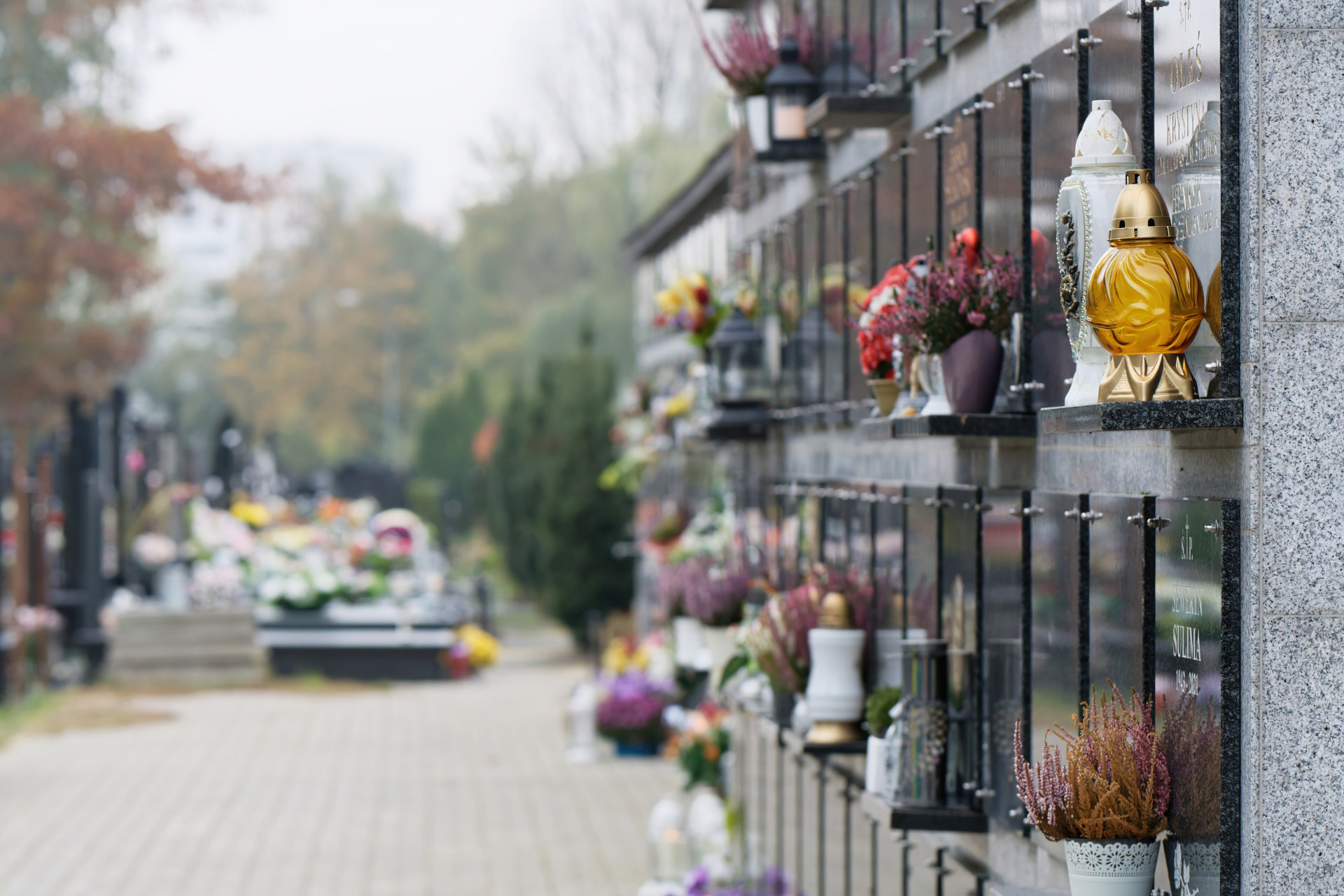
Cremated ashes may be stored in a niche at a columbarium, a dedicated facility for housing urns. NEA-managed columbaria are available at Choa Chu Kang Columbarium and Mandai Crematorium and Columbarium Complex. Private columbaria are also available through religious organisations and institutions. Niche bookings cannot be made in advance; they are confirmed after the cremation has taken place.
Inland Ash Scattering
Families may scatter ashes at one of two designated gardens managed by NEA: the Garden of Peace, located at Choa Chu Kang, and the Garden of Serenity, located at Mandai North Crematorium. Only fine ashes may be scattered, so the ashes will need to be processed before the scattering service takes place. Bookings can be made via the NEA ePortal, by phone, or at the service counters at Mandai Crematorium or Choa Chu Kang Cemetery.
Sea Burial
Families who wish to scatter ashes at sea must apply for the relevant permit from NEA. For families with a personal connection to the sea, it can be a meaningful way to mark the farewell. A funeral service provider can assist with all NEA documentation, permit applications, and coordination for any of these options.
Key Considerations When Making Your Decision
There is no single answer to whether burial or cremation is the right choice. The decision depends on a combination of factors that are specific to your family. The following points are not prescriptive; they are simply a way of organising what matters most.
- Religious and cultural tradition. For Muslim families, burial is the prescribed practice. For Buddhist and Taoist families, cremation is the norm, though burial is not prohibited. For Christian and Catholic families, both are accepted, with burial traditionally preferred in some denominations. Non-religious families make the decision based on personal preference and practical considerations.
- Cost. Burial carries higher overall costs, covering the plot, coffin or casket, headstone, and related arrangements. Cremation, including a Straight Case arrangement, is typically the more budget-conscious option across most funeral packages. A transparent, itemised breakdown from a trusted funeral service provider is the clearest way to understand the full picture for your specific situation.
- Long-term planning. Burial in Singapore is subject to a 15-year plot tenure and eventual exhumation, which changes the nature of what a permanent resting place means in practice. Cremation with columbarium placement, inland ash scattering, or sea burial each offer different long-term outcomes worth factoring into the decision.
- Flexibility. Cremation allows families to schedule memorialisation at a later date and provides more options for where and how the ashes are kept. Burial is tied to a fixed geographical location, which may be an important consideration for families who are not permanently based in Singapore.
Honouring Your Loved One the Right Way
Neither burial nor cremation is universally better than the other. The right choice is the one that honours the wishes of the deceased, respects your family's beliefs, and gives those left behind a meaningful way to say goodbye.
At Singapore Funeral Enterprise, our in-house team of 18 trained professionals handles both cremation and burial arrangements across all major faith traditions. Our funeral services cover everything from full wake packages to direct cremation, and every element of the process is managed internally, from documentation and transport through to ceremony coordination, so your family has one consistent point of contact throughout The pricing of our funeral packages is presented transparently and itemised clearly before any commitment is made, with no hidden costs or unexpected additions at any stage.
If your family is working through this decision, we offer a free 45-minute face-to-face consultation with no obligation. Speak with us by phone or WhatsApp at 8968 9898, available 24 hours a day, 7 days a week. You are also welcome to leave your contact details via the form on our website, and we will arrange a callback at a time that works for you.