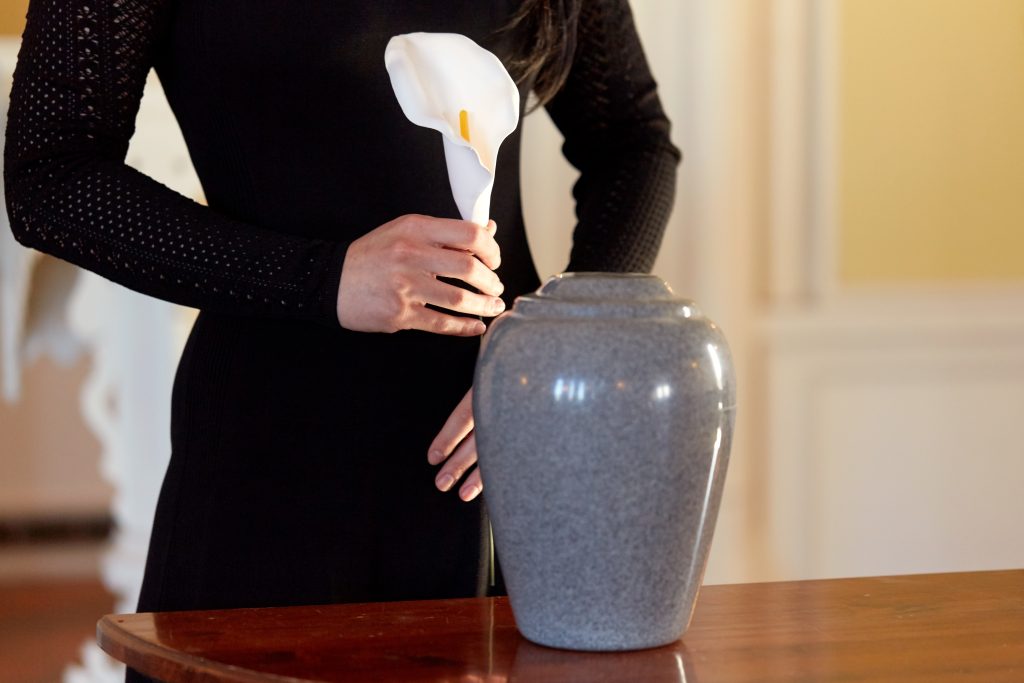
Sending flowers to a Chinese funeral or wake is one of the most common ways to express condolences. Families arranging Taoist or Buddhist funeral services in Singapore often include condolence wreaths and floral displays as part of the wake setup and mourning traditions. The colour, flower type, and arrangement format all carry meaning in Chinese funeral customs, and what is appropriate at a Chinese wake differs in important ways from what you might send in other contexts. Getting it right matters: when grief makes conversation difficult, and visits feel inadequate, the right floral arrangement communicates solidarity, respect for the deceased, and acknowledgement of the family's loss in a way that a card or a message often cannot.
What Are the Most Appropriate Flowers for a Chinese Funeral?
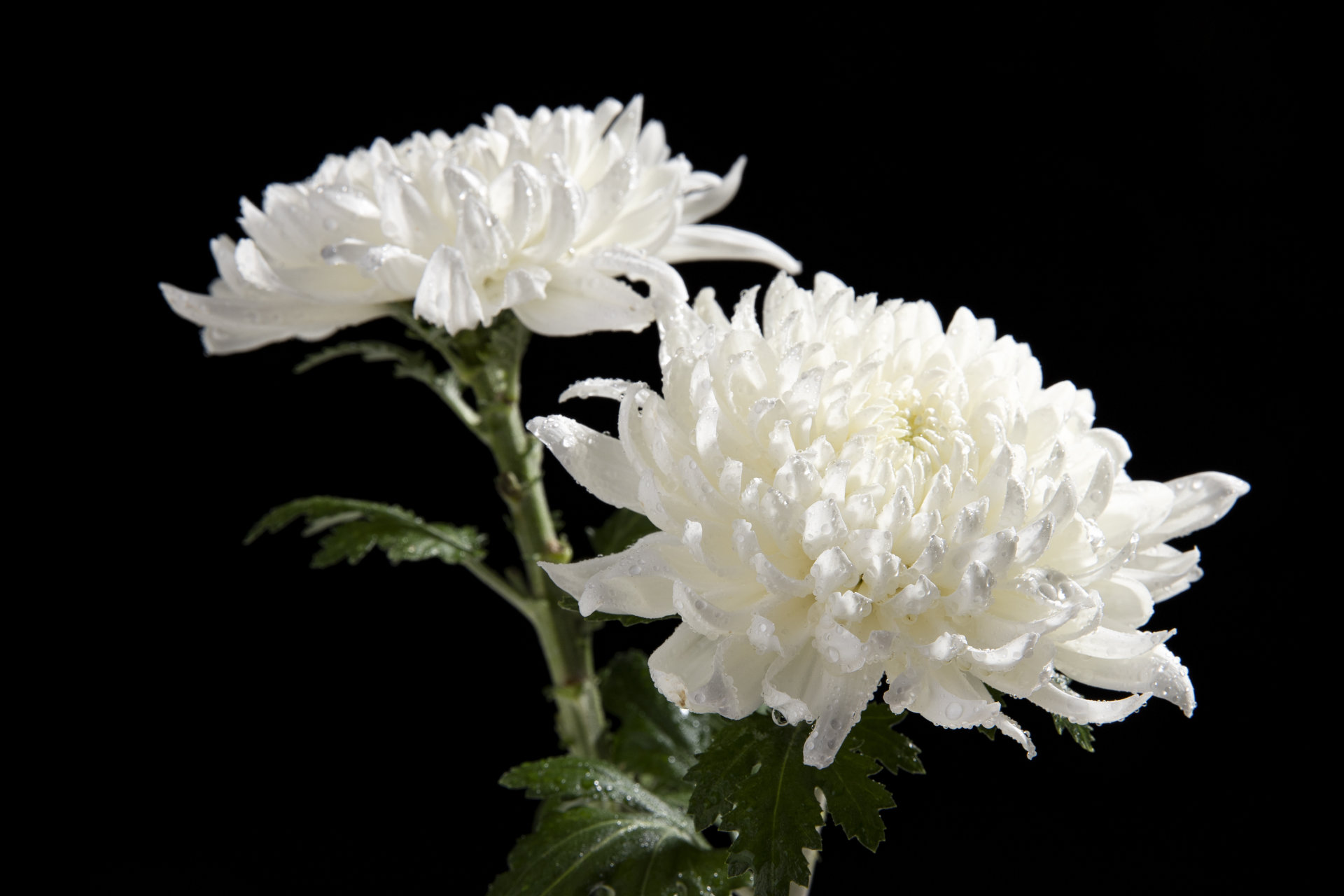
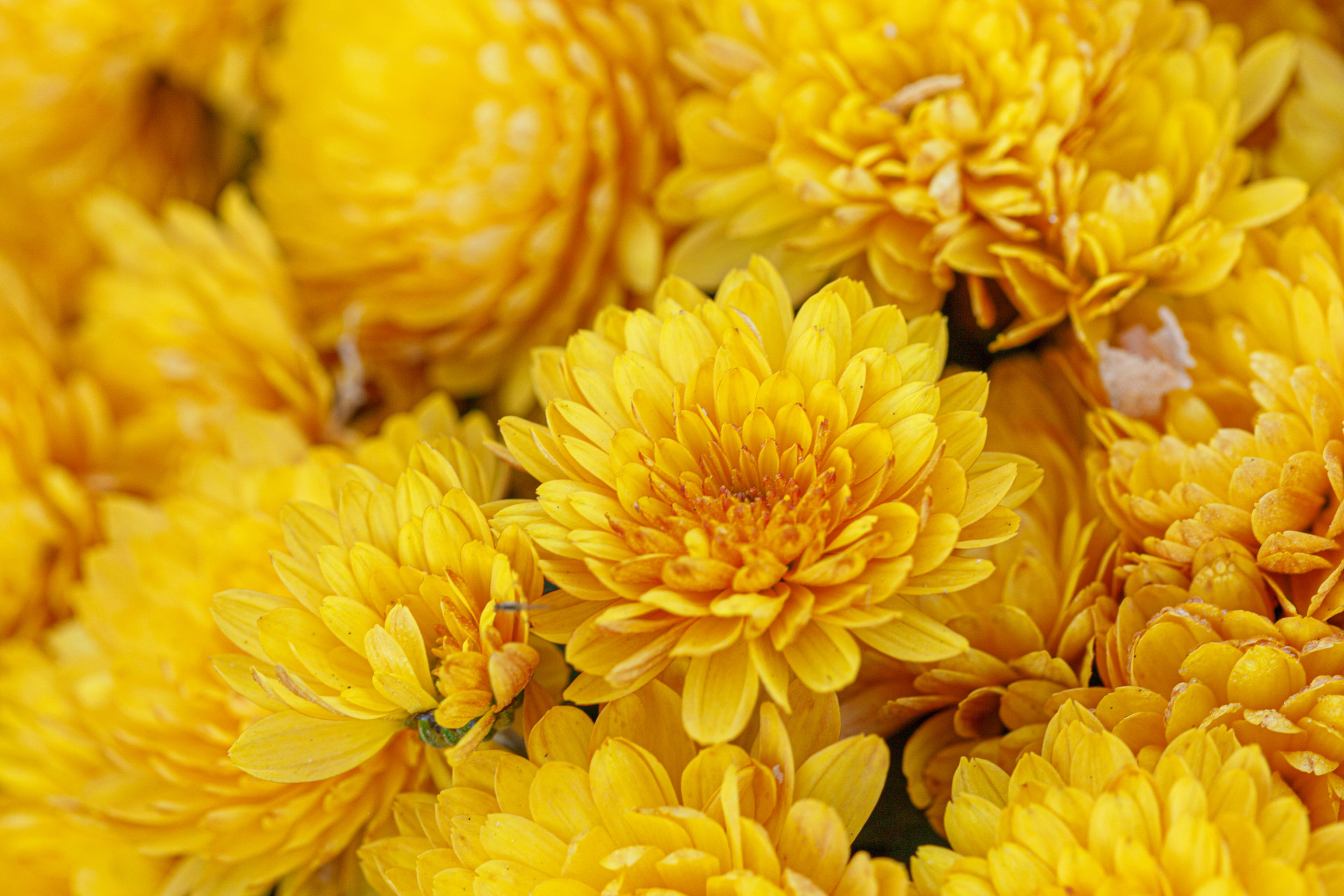
When it comes to Chinese funeral flowers in Singapore, the clearest guide is to follow tradition. White and yellow chrysanthemums are the established choice: in Chinese culture, they carry specific associations with grief, mourning, and remembrance, and their presence at a wake is rarely misread. White lilies, associated with the soul's restored innocence, and white orchids, which connote eternal love, are also appropriate and generally well-received across Chinese funeral contexts.
The unifying principle of these flowers is colour. White is the standard and safest choice across all Chinese funeral traditions, representing purity, peace, and respect for the departed. Yellow is also appropriate in Chinese mourning contexts, where it signifies remembrance. Pale purple also carries connotations of deep sorrow and is acceptable. If there is any uncertainty about the family's specific tradition or preference, an arrangement of white chrysanthemums is the most universally understood expression of sympathy.
Flowers to Avoid at a Chinese Funeral
Just as colour guides what is appropriate, it is also the first thing to consider when thinking about what to avoid. Red flowers should not be sent to a Chinese funeral under any circumstances: in Chinese culture, red is the colour of joy, celebration, and good fortune. Its appearance at a wake is likely to be experienced as deeply inappropriate, regardless of the gesture's intent. The same applies to bright orange, hot pink, and other vivid, celebratory hues.
Beyond colour, a few specific flower types require care. Heavily scented flowers such as hyacinths and gardenias can be intrusive in the confined space of a void deck or funeral parlour, particularly when the wake spans several days, and the scent accumulates. Daisies present a different problem: their cheerful, informal appearance sits poorly with the solemnity of a Chinese funeral, however fresh or well-arranged they may be. Artificial flowers carry a different concern altogether: they signal a lack of genuine care, and fresh flowers remain the expected standard for condolence flowers in Singapore.
Potted plants should also be avoided. Unlike a wreath for a funeral, a potted plant reads as a domestic gift and is out of place in a funeral context.
What Is the Etiquette for Funeral Flowers?
For a Chinese wake in Singapore, a standing floral wreath is the appropriate format. These are the large arrangements displayed on easel stands near the altar or casket: they are a visible, formal tribute that the family and other attendees will see throughout the wake. A bouquet, by contrast, is too casual and personal a format for this context, and is not the convention at Chinese funerals.
Send the wreath early. Ideally, it should arrive before the wake begins or early on the first day, in time to be arranged at the venue before viewing. A wreath that arrives after the service feels like an afterthought. If you are unable to deliver in advance, check with the family or funeral service provider on the wake schedule and coordinate accordingly.
Most standing wreaths are accompanied by a condolence ribbon, typically white, bearing the sender's name and a short message. Keep the message brief and sincere. "With deepest sympathy", "In loving memory", or simply the sender's name and organisation are all appropriate. Elaborate messages are unnecessary: the flowers speak for the gesture, and the ribbon confirms who sent them.
Funeral Flower Etiquette for Buddhist and Taoist Funeral Services in Singapore
The conventions above apply broadly across Chinese Buddhist and Taoist funerals in Singapore, as well as non-religious Chinese wakes. Families planning Buddhist funeral packages in Singapore or Taoist funeral services commonly choose white floral arrangements that reflect traditional mourning customs. White flowers are the standard across all of them.
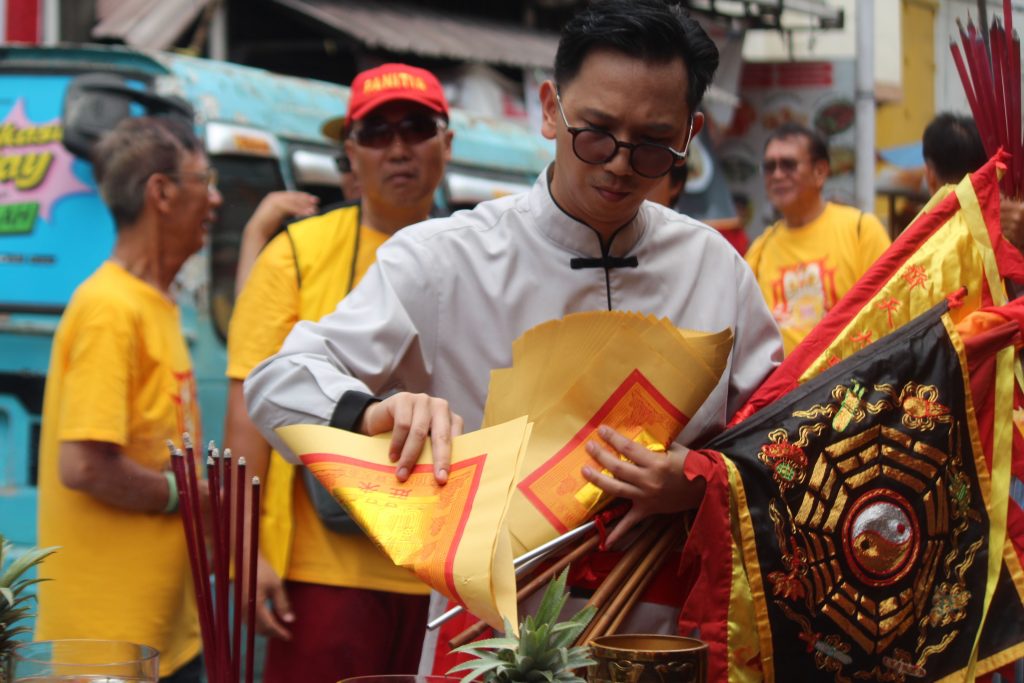
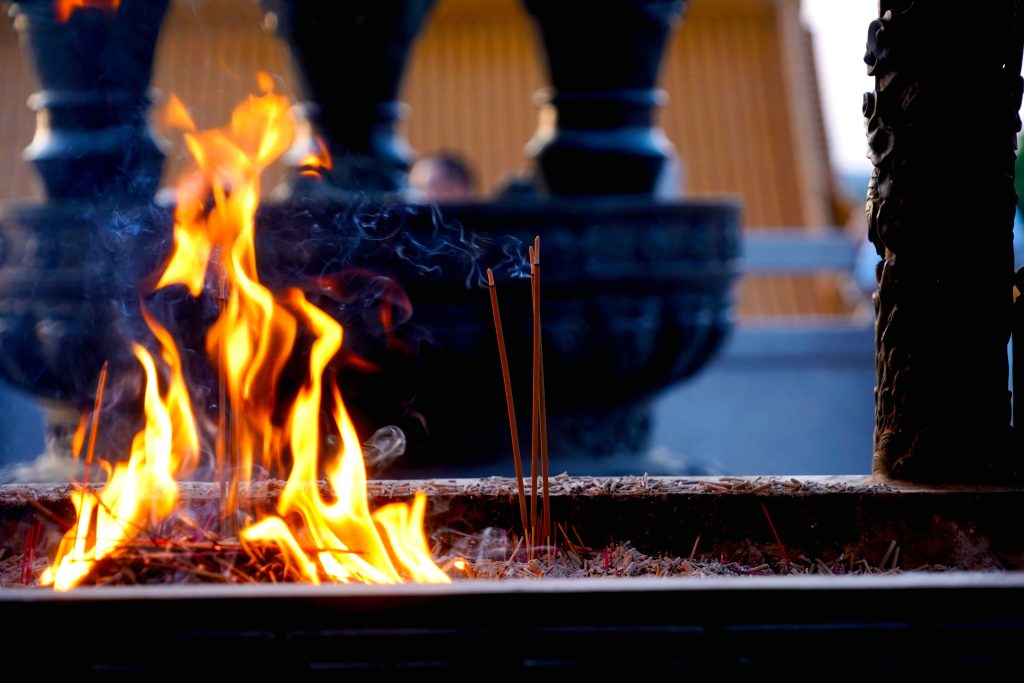
For Buddhist funerals, simple and understated arrangements are preferred, as the spiritual focus of the wake is on chanting, prayers, and offerings rather than on the floral display, and an arrangement that draws attention to itself would be out of keeping with that tone.
For Taoist funerals, the same preference for white flowers applies. Taoist Chinese wakes often span several days, sometimes up to a week, which makes chrysanthemums a particularly practical choice, as they hold up better over an extended period than most other cut flowers and remain presentable throughout the wake.
Honouring the Departed With the Right Gesture
Sending condolence flowers to a Chinese funeral or wake is a simple act, but a considered one. Knowing the right choice ensures the gesture carries the sincerity it is meant to.
If you are arranging a Chinese, Taoist or Buddhist funeral and have questions about wake setup, floral coordination, or any aspect of the service, Singapore Funeral Enterprise is here to help. We conduct Buddhist, Taoist, and funeral packages in Singapore, with an in-house team of 18 trained professionals who handle every aspect of the arrangement: from altar setup and ceremony coordination through to practical guidance for the family and their guests. Pricing is transparent and affordable, with all costs itemised clearly upfront.
We offer a free 45-minute face-to-face consultation with no obligation. We are available by phone and WhatsApp at 8068 9898, 24 hours a day, 7 days a week. You can also leave your details via the contact form on our website, and we will arrange a callback at a time that suits you.