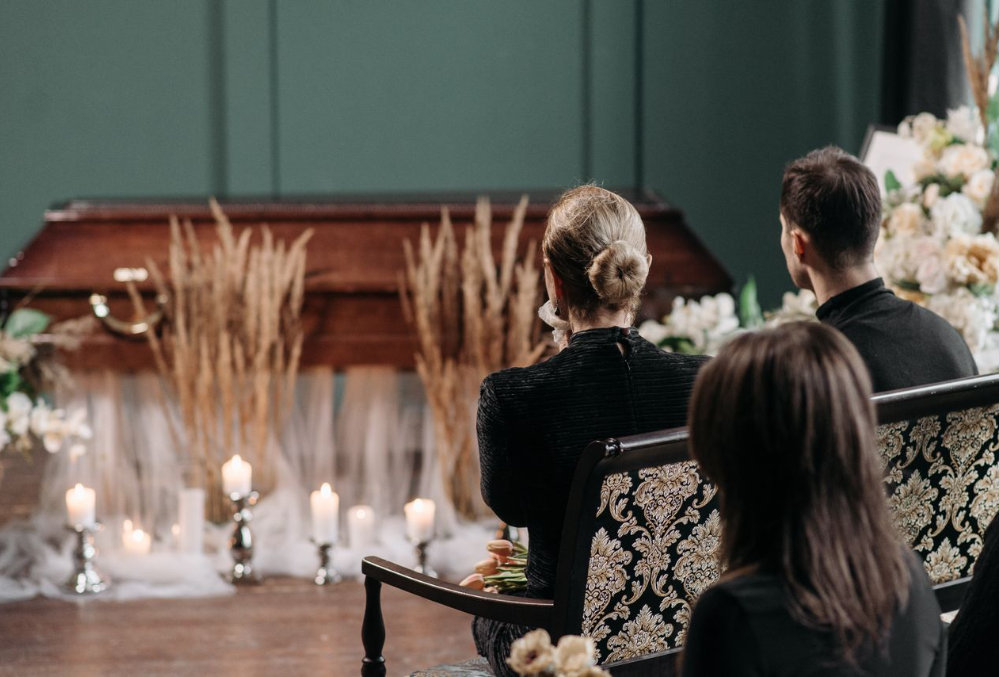
Most people attend a funeral wanting to do the right thing. The uncertainty comes from not knowing exactly what that looks like, whether to approach the altar, what to say to the family, or which customs apply to a tradition that is not your own. Funeral etiquette in Singapore is shaped by a mix of faith traditions, each with its own expectations, but the principles that cut across all of them are simpler than most guests expect. This guide sets out what you need to know before you arrive.
What are Funeral Etiquette Rules?
Funeral etiquette refers to the set of behaviours, customs, and unspoken expectations that guide how visitors conduct themselves during a wake or funeral service. These aren’t rigid rules enforced by anyone in particular. Rather, they’re expressions of respect for the deceased and consideration for the family receiving guests during one of the most difficult periods of their lives.
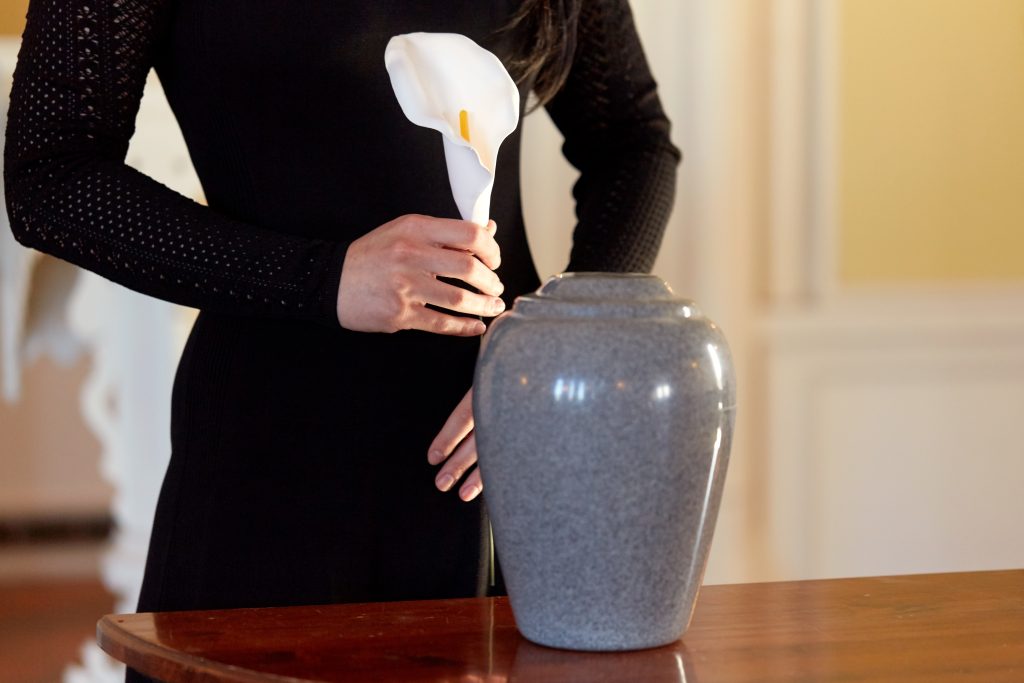
In Singapore, the specific customs observed will vary across Buddhist, Taoist, Christian, Catholic, Malay Muslim, and Hindu funerals. What a guest wears, how they approach the altar or the family, and whether they participate in rituals will all depend on the tradition being observed. That said, a core set of principles applies universally: dress appropriately, arrive with quiet respect, follow the lead of family members during any rituals, and keep the atmosphere calm and dignified throughout.
What to Wear to a Funeral or Wake in Singapore
Choosing the right attire matters, as wearing the wrong colour or arriving underdressed can be considered disrespectful, even when no slight was intended. Figuring what to wear for the funeral will vary by faith tradition:
Chinese Buddhist and Taoist Wakes
Dark, modest clothing is the expected standard at a Chinese Buddhist or Taoist wake.
- Dark Colours are Appropriate: Black is always the safest choice. Dark navy and dark grey are equally acceptable.
- Avoid Bright Colours and Festive Patterns: Anything associated with celebration is considered inappropriate. This includes prints, bold patterns, and anything visually loud.
- Don’t Wear White as a Guest: White is traditionally reserved for immediate family members as a sign of mourning. Unless the family has specifically invited you to wear white, guests should avoid it.
- Avoid Red in All Forms: Red carries celebratory associations in Chinese culture and is considered deeply inappropriate at a funeral, including accessories.
Christian and Catholic Funerals
The dress code at a Catholic or Catholic funeral in Singapore follows similar principles to a Chinese wake, with the standard of formality slightly higher at a funeral Mass.
- Dark Coloured and Modest Clothing are Appropriate: Black remains the most respectful choice. Muted tones are acceptable, but the overall impression should be formal and understated.
- A Funeral Mass calls for Formal Attire: Casual wear is inappropriate. If attending the Mass specifically, dress as you would for a formal church service.
- Avoid Bright Colours and Revealing Clothing: Both signal a lack of awareness of the occasion and can offend the family.
Malay and Muslim Funerals
Modesty is the central consideration when attending a Malay or Muslim funeral, and this applies to both what you wear and how you wear it.
- Opt for White or Muted Tones: White is commonly worn by mourners at Muslim funerals. Non-Muslim guests don’t need to wear white, but non-flashy, neutral tones are equally appropriate and in keeping with the occasion.
- Dress Modestly: This applies to both men and women. Form-fitting or revealing clothing that doesn’t cover your arms and legs isn’t appropriate regardless of gender.
- A Headscarf is Optional Non-Muslim Women: Wearing one is not an expectation, but it signals an awareness of the tradition being observed and will be quietly noted by the family.
Hindu Funerals
Hindu funeral attire follows different conventions from most other traditions in Singapore, and the key difference is worth knowing before you arrive.
- Avoid Black: Unlike most other funeral traditions in Singapore, black is considered inauspicious at a Hindu funeral and should not be worn.
- Wear White or Light Colours: Plain, modest clothing in lighter tones is the appropriate standard. When in doubt, plain white is always a safe choice.
Arriving at the Service: Registration and Condolences
Most funeral and wake venues have a registration area near the entrance where guests sign in and, where applicable, present a condolence envelope. Approach this quietly and follow the arrangement already in place. When presenting condolence money, the conventions vary by tradition:
- Chinese Buddhist and Taoist Wakes: Condolence money is presented in a white envelope, not a red one. It’s handed to a family member or placed at the registration table. The amount is left to the guest's discretion.
- Christian and Catholic Funerals: Condolence money is less customary but not inappropriate. Flowers or a donation to a nominated charity are also commonly offered.
- Malay and Muslim Funerals: Bringing food or making a financial contribution to assist the family is a common and appreciated gesture. Contributions are typically handed directly to a family member.
- Hindu Funerals: Flowers and fruit are appropriate offerings. Condolence money may be given but is less expected than at Chinese wakes.
Once registered, approach the family calmly to offer your condolences. Keep it brief, warm, and genuine. The family is managing a great deal, and a simple, sincere acknowledgement will mean more than a long or elaborate expression.
What to Say at a Funeral: Words That Help and Words to Avoid
Many guests find this the most difficult part of attending a funeral. Knowing what the proper thing to say is not always obvious, and the fear of getting it wrong can lead to saying nothing at all. The family may feel that silence more acutely than guests realise. A few words offered sincerely are almost always better than none.
What to Say
Simple and direct is best.
- "I'm so sorry for your loss" or "My deepest condolences" carry genuine warmth without overreach. They’re never wrong.
- If you knew the deceased personally, a brief, specific memory is often deeply comforting. "She always made everyone feel welcome" or "He was one of the kindest people I've known" says more than any formal phrase.
- If you didn’t know the deceased well, a quiet "I'm so sorry" and a moment of calm, attentive presence is enough.
What Not to Say
The instinct to comfort can sometimes lead to phrases that do the opposite.
- Avoid comparisons and qualifications. "I know how you feel" or "At least they didn't suffer" tend to minimise rather than comfort, even when well-intentioned.
- Don’t ask about the cause of death unless the family raises it themselves.
- Avoid unsolicited advice about grief, what comes next, or how the family should be feeling.
- In Buddhist and Taoist contexts, avoid language that frames the death as a permanent loss. Acknowledging the soul's onward journey is more culturally appropriate and will land better with the family.
What to Do at a Funeral: Paying Respects
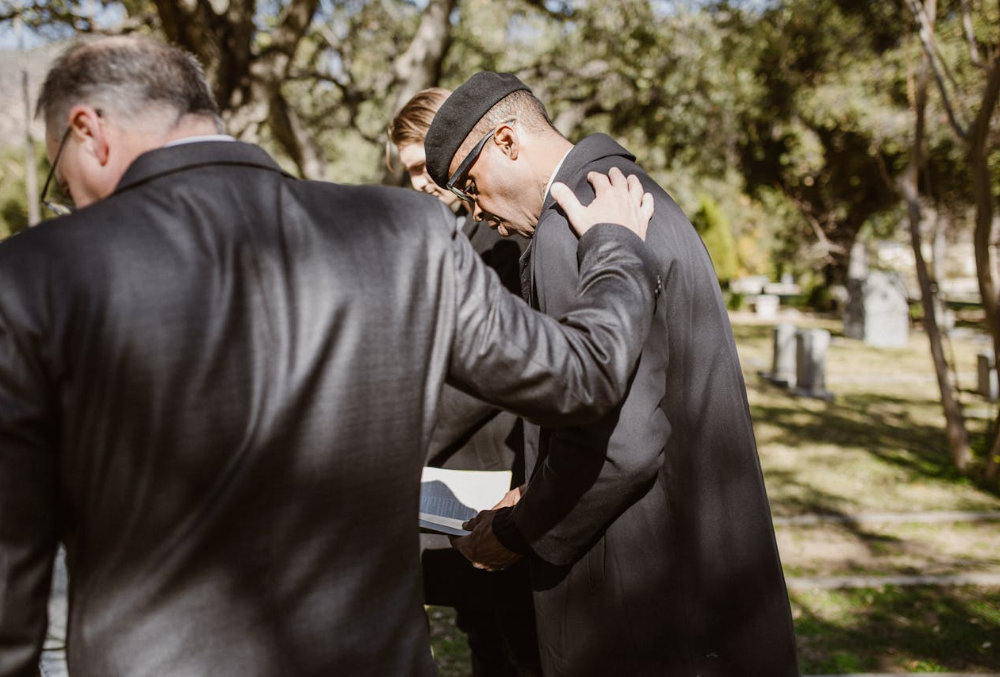
Guests unfamiliar with funeral rituals often feel uncertain about what’s the proper thing to do and how to act when approaching the altar or the casket. The most important guidance is this: follow the family's lead. No guest is expected to be an expert, and a calm, attentive presence is always appropriate.
Buddhist and Taoist Wakes
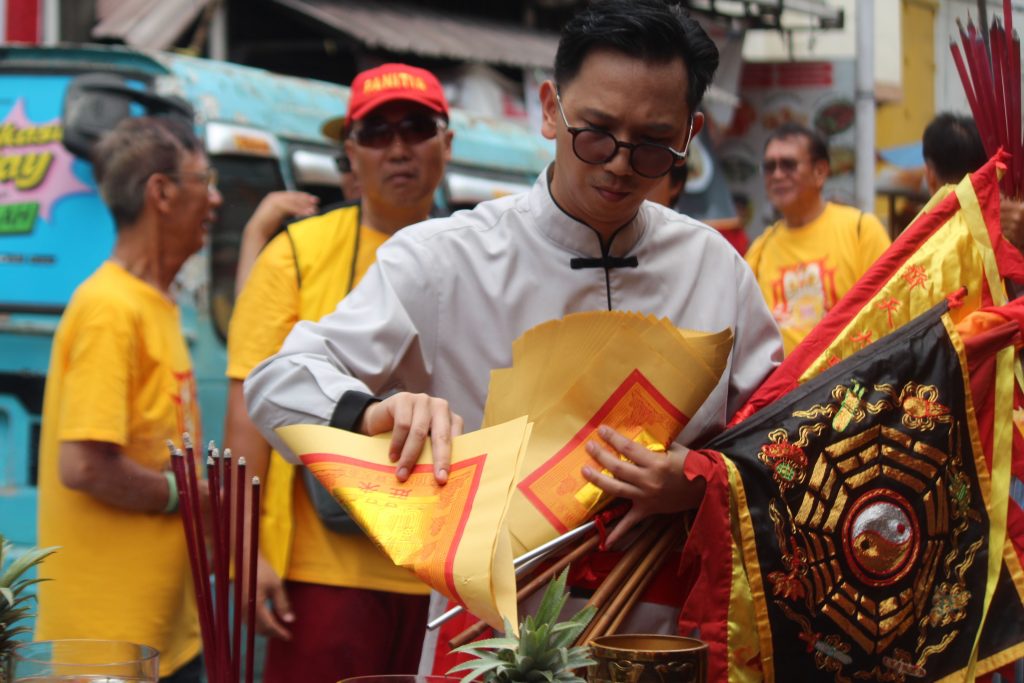
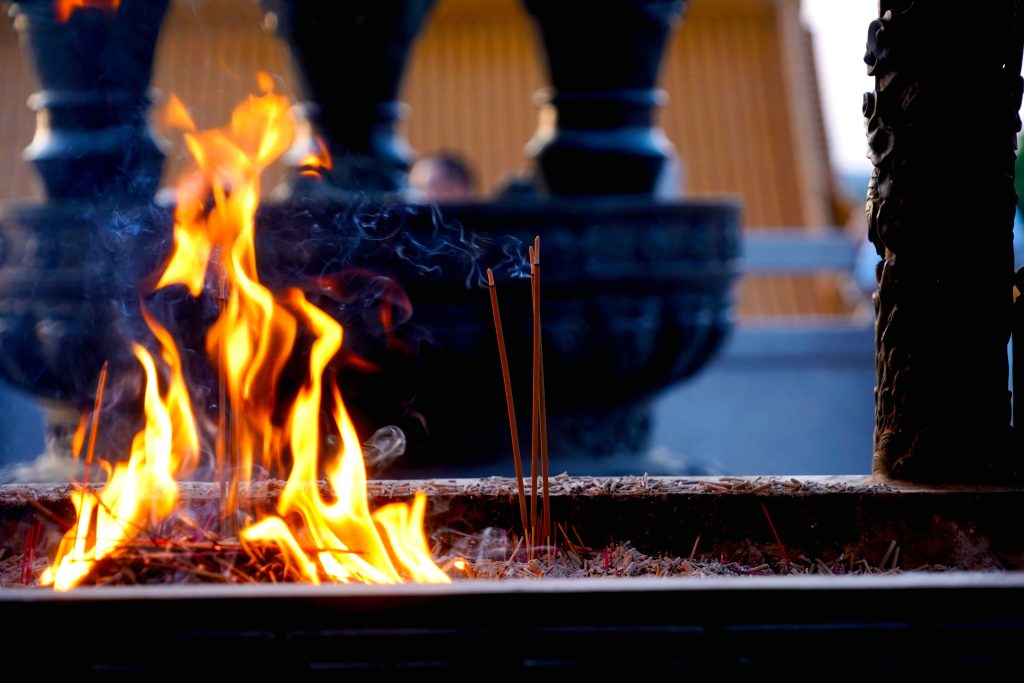
Approach the altar calmly and without rushing. If incense sticks are available, take a single stick, hold it with both hands at forehead height, bow three times slowly, and place the stick in the incense urn. If you prefer not to use incense, whether for personal, health, or religious reasons, standing quietly with hands clasped and bowing your head is entirely appropriate. This won’t be taken as disrespectful. Don’t touch the offerings or any items arranged on the altar.
Christian and Catholic Wakes
Guests are typically invited to observe a moment of silent prayer or quiet reflection near the casket. At a Catholic wake, it’s appropriate to make the sign of the cross if you’re Catholic. Non-Catholic guests may simply bow their head respectfully. During any organised prayer sessions, follow the family's lead and remain still and attentive even if the words or format are unfamiliar.
Malay and Muslim Funeral
Remove your shoes before entering the home or prayer area. Men and women are typically seated in separate areas; follow the arrangement already in place when you arrive. Knowing how to behave during the service itself is straightforward: sit quietly, observe respectfully, and take your cues from those around you. The body is usually not visible to guests, as it’s wrapped in white cloth as part of Islamic funeral rites, and viewing is generally reserved for close family.
Non-Muslim guests are welcome to offer condolences but should not attempt to participate in prayers or rituals. If food is being served, note that only halal food will be offered, and be mindful of this if you are bringing anything for the family.
Hindu Wakes
Remove your shoes before entering the prayer area. The body is typically garlanded and placed in the open for viewing; guests may approach and pay their respects quietly. Incense and oil lamps are likely to be present, and these shouldn’t be touched unless you’re invited to do so. Food served will typically be vegetarian. Follow the family's lead during any prayers or rituals led by the priest.
Viewing the Casket
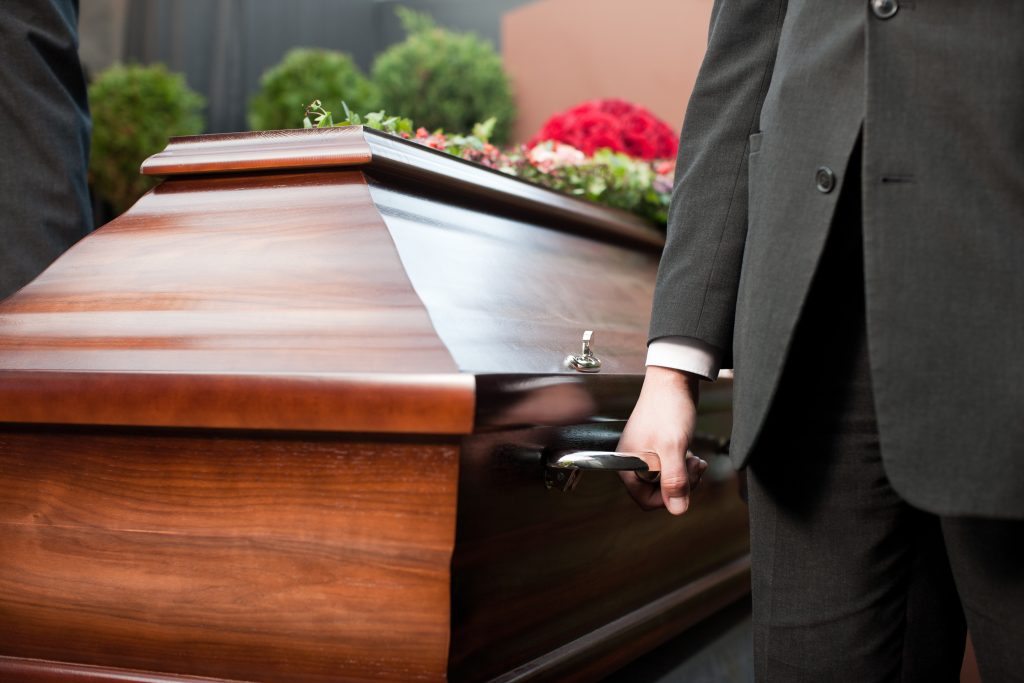
If the casket is open, it’s customary to step forward briefly and pay your respects with a moment of quiet acknowledgement. A closed casket typically means that viewing is reserved for immediate family. Don’t ask for the casket to be opened.
The Red Thread and Other Special Traditions at Chinese Funerals
Guests attending a Chinese Buddhist or Taoist wake in Singapore may encounter customs that are unfamiliar. These Chinese traditions carry real meaning for the families who observe them and should be respected.
The Red Thread
When leaving a Chinese wake, guests are typically offered a red string, sometimes alongside sweets or a small token, on a tray near the exit. The thread is a symbol of good fortune, offered as a way of counteracting the inauspicious associations of the wake environment. Tie the string around your finger or keep it on your person as you leave the funeral, then discard it before entering your own home. The act of discarding outside is believed to leave any inauspicious energy at the threshold. This is considered important by many Chinese families, and observing it is a mark of respect for the tradition.
The Red Packet
At some wakes, a small red packet containing a token sum or a sweet may be offered alongside or in place of the red thread. The money inside is meant to be spent and the sweet consumed. Neither should be kept or brought indoors without being used.
What is Considered Disrespectful at a Funeral?
Good funeral manners are not always spelled out, but their absence is felt. Some behaviours are obvious; others less so.
- Taking Photos or Videos Without Permission: Never photograph or film the casket, altar, or rituals unless explicitly invited by the family. A wake is a deeply private space, and photography without consent is a serious breach of respect.
- Loud Conversations, Laughter, or Disruptive Behaviour: Keep your voice low and your tone measured. Move away from the altar or family area if you need to have a longer conversation.
- Wearing Inappropriate Colours or Clothing: Bright colours and festive attire are all inappropriate. Arriving in casual or unkempt clothing also signals a lack of regard for the occasion.
- Sitting at Reserved Tables: At many Chinese wakes, specific tables are set aside for immediate family, monks, or clergy. Don’t sit in these areas unless you’ve been invited to do so.
- Arriving Intoxicated or Eating Loudly Near the Altar: Both are considered deeply disrespectful regardless of the tradition being observed.
- Overstaying Your Visit: A meaningful, unhurried visit is appreciated. A prolonged presence that the family feels obligated to manage is not. Read the room and take your leave gracefully.
Attending a Funeral With Confidence and Compassion
No one expects perfection at a wake. Families know that guests come from different backgrounds and are not always familiar with every etiquette rule or custom being observed. What they notice isn’t whether you held the incense stick correctly or knew every word of a prayer. What they notice is whether you showed up, whether you were calm and present, and whether your presence added to the dignity of the occasion rather than drawing from it.
Singapore Funeral Enterprise has extensive experience conducting Buddhist, Taoist, Christian, Catholic, and non-religious funeral services across Singapore. Our in-house team of 18 trained professionals manages every aspect of the arrangement, from wake setup and ceremony coordination through to cremation and ash collection, with full transparency on costs from the outset.
If you’re making arrangements or would like to understand our affordable funeral service packages, we offer a free 45-minute face-to-face consultation with no obligation. Reach us by phone or WhatsApp at 8968 9898, available 24 hours a day, 7 days a week. You can also leave your contact details via the form on our website and we will arrange a callback at a time that suits you.